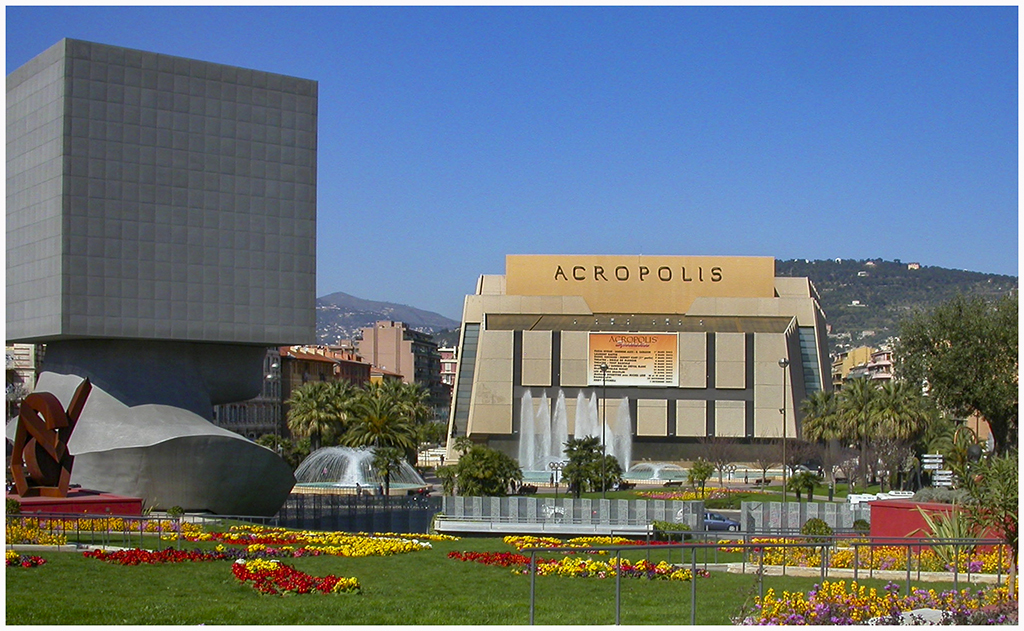
In 2003 the American Geophysical Union (AGU) decided to have a combined meeting with
the European Geophysical Union (EGU) to be held in Nice, France. The meeting was a bit
larger than the facility could actually support and their were long lines to get into
the convention center with the security measures in place. The meeting rooms were
crowded and it was difficult to get into some of the talks. It is now 18 years later
as I write this and I remember 2 specific talks. One was by P.K. Bhartia with whom I
have worked and had many discussions. He was talking about converting satellite
measurements into geophysical quantities like ozone amounts. The process is called
retrieval and, in general, requires you to give the retrival some "a priori" information.
You usually tell the retrieval program the expected shape of the ozone concentration
versus altitude so that it can choose among the many oddball shapes that would also
fit the finite/small number of measured data points. In this talk he pointed out that
there was a tendency to put in a priori information that varied over time. If you are
trying to detect small trends in the ozone data, then the trend that you obtain from
your satellite measurements is equal to the trend in the actual ozone plus/minus the
trend that you introduced from the a priori. This was an important lesson that I
continue to remember.
The other talk that I remember was talking about the period in the Earth's history,
about 300 million years ago, when the oxygen content of the atmosphere apparently went
from the familiar 20% to 30%. Apparently during this period many species grew to
gigantic size. Many examples were given but the one that I remember was dragonflies that
grew to several feet in size.
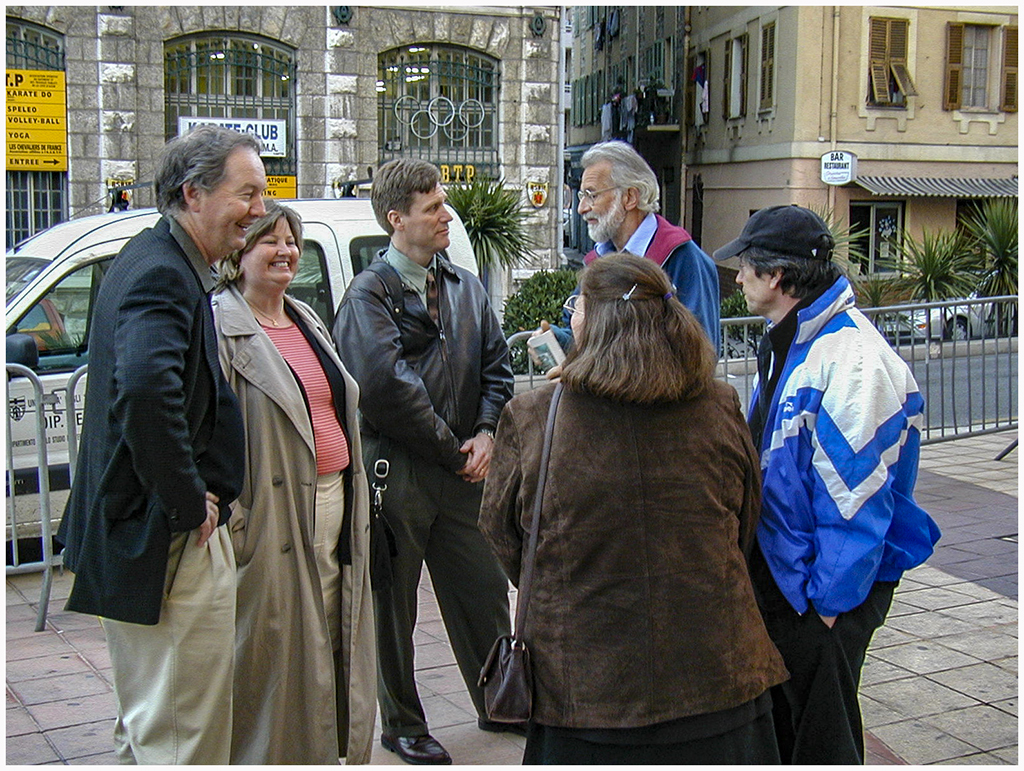
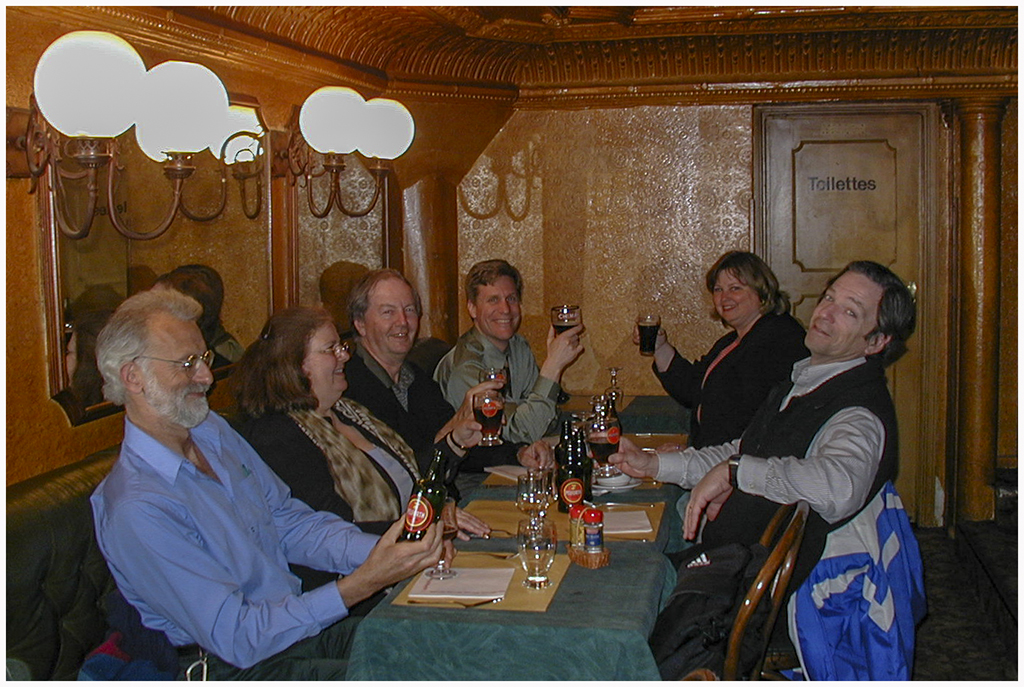
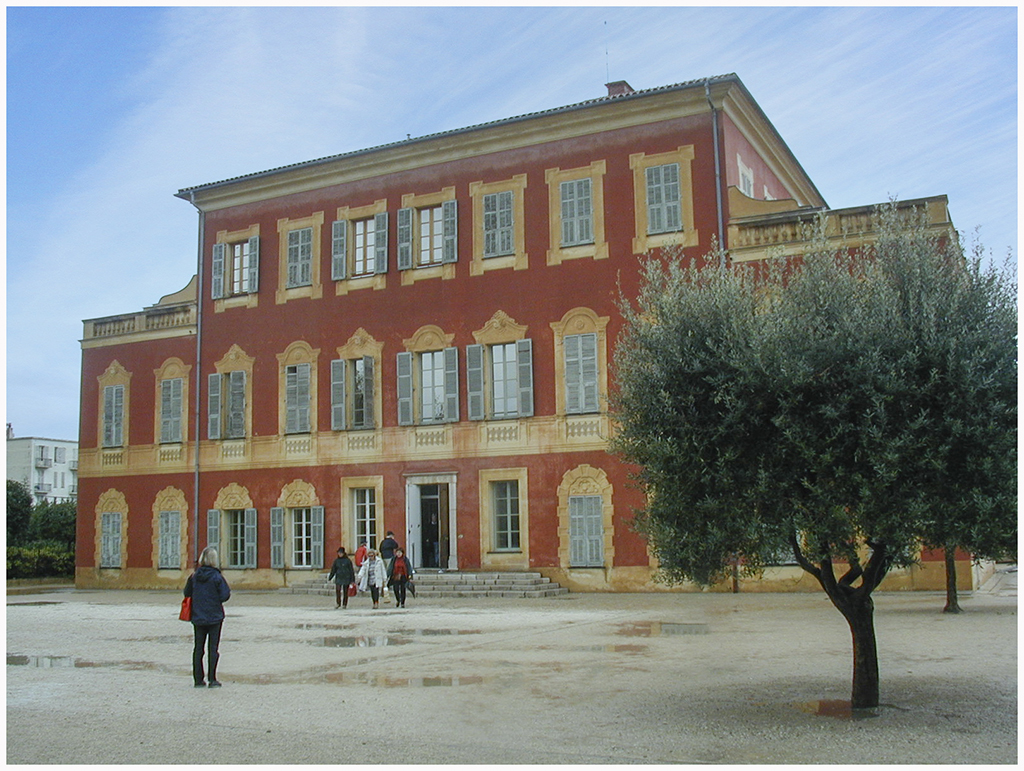
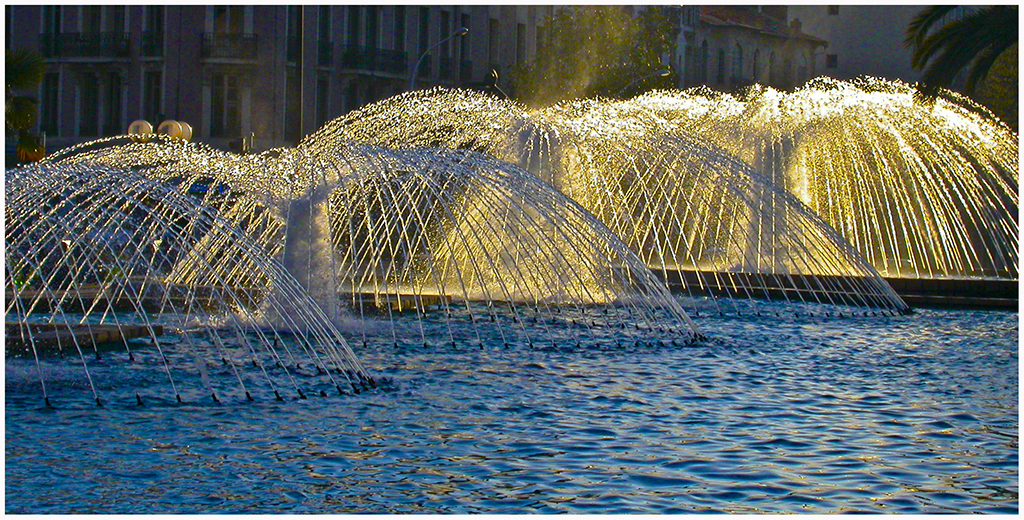
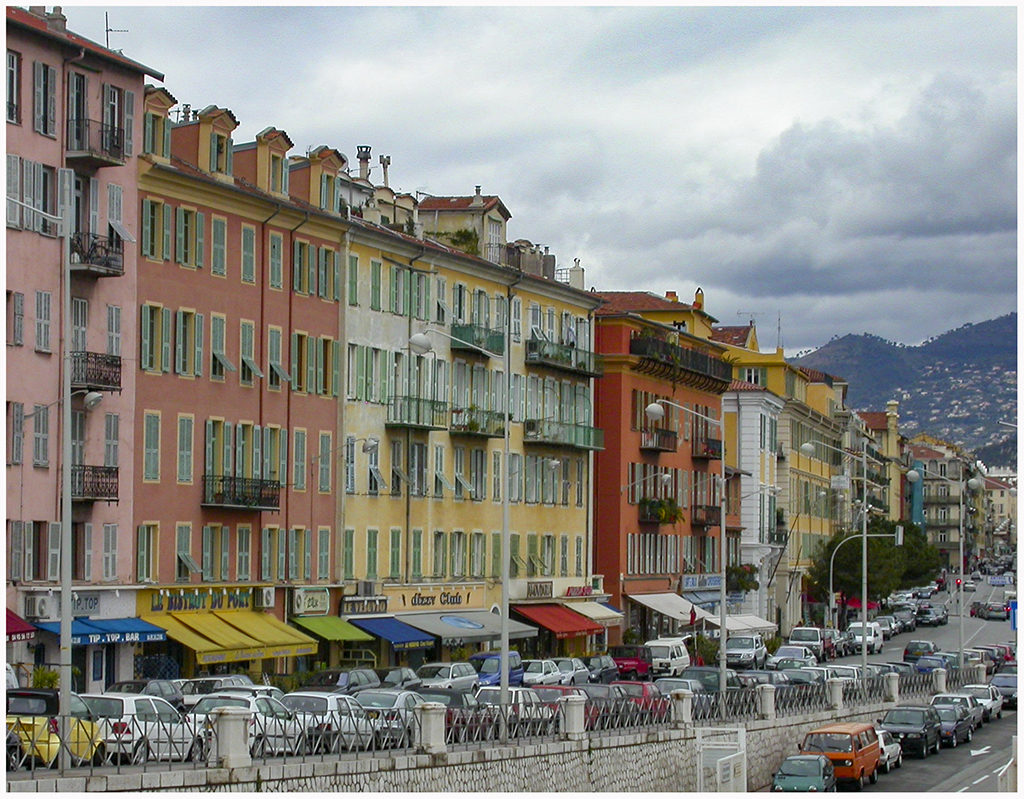
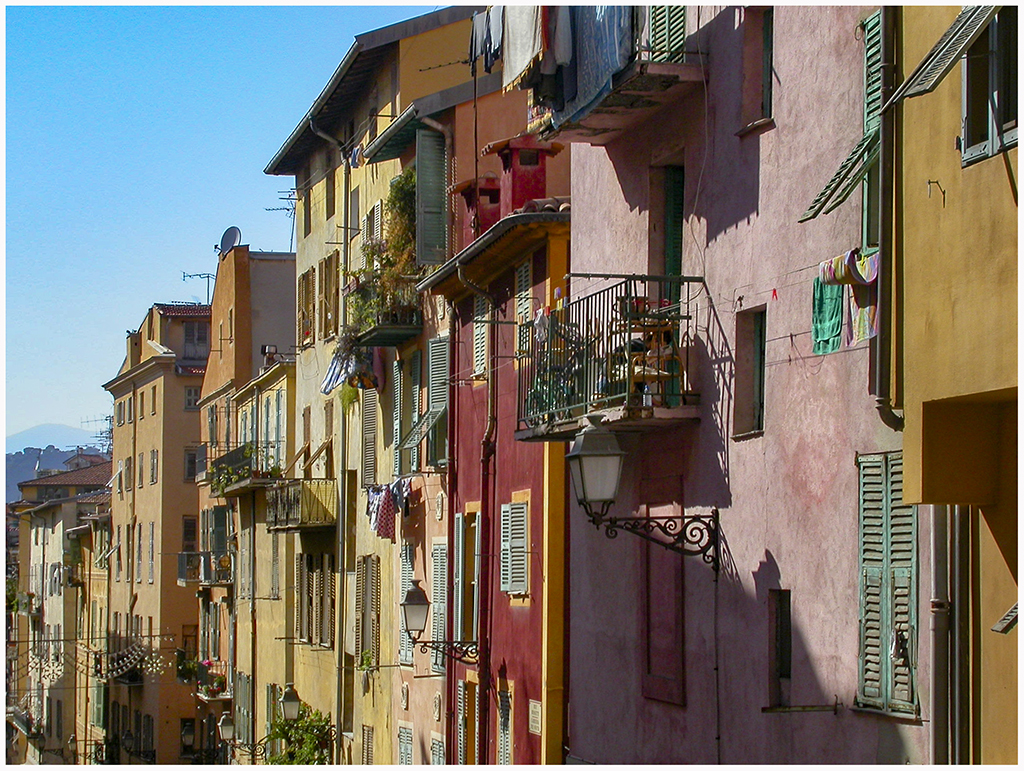
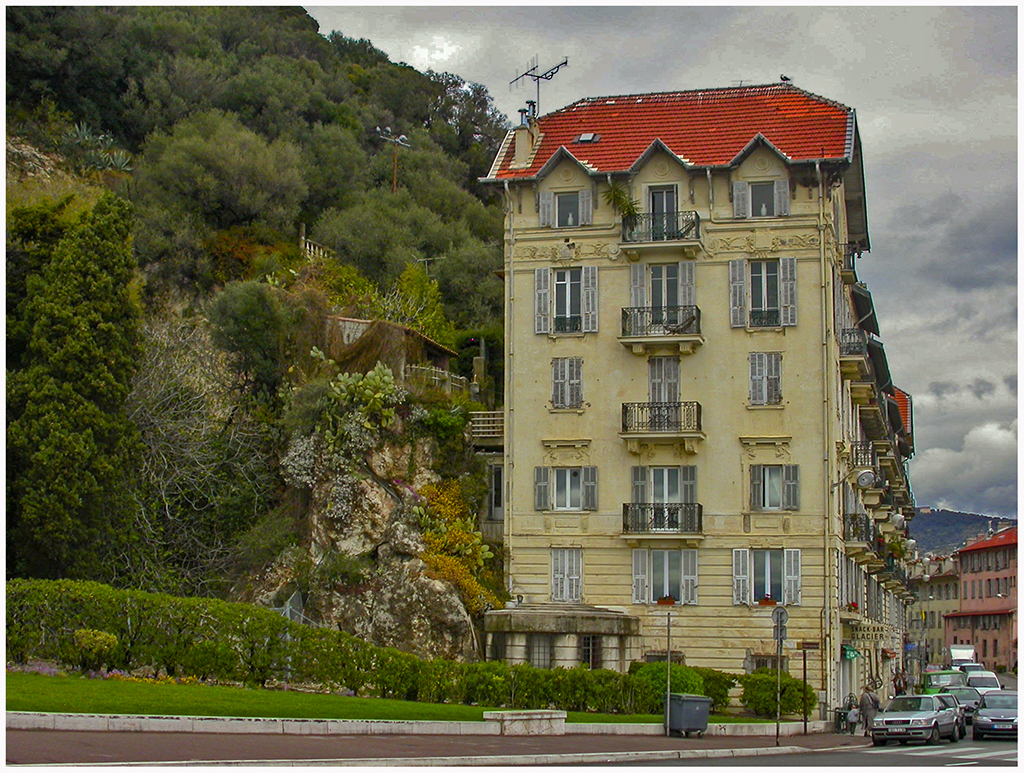
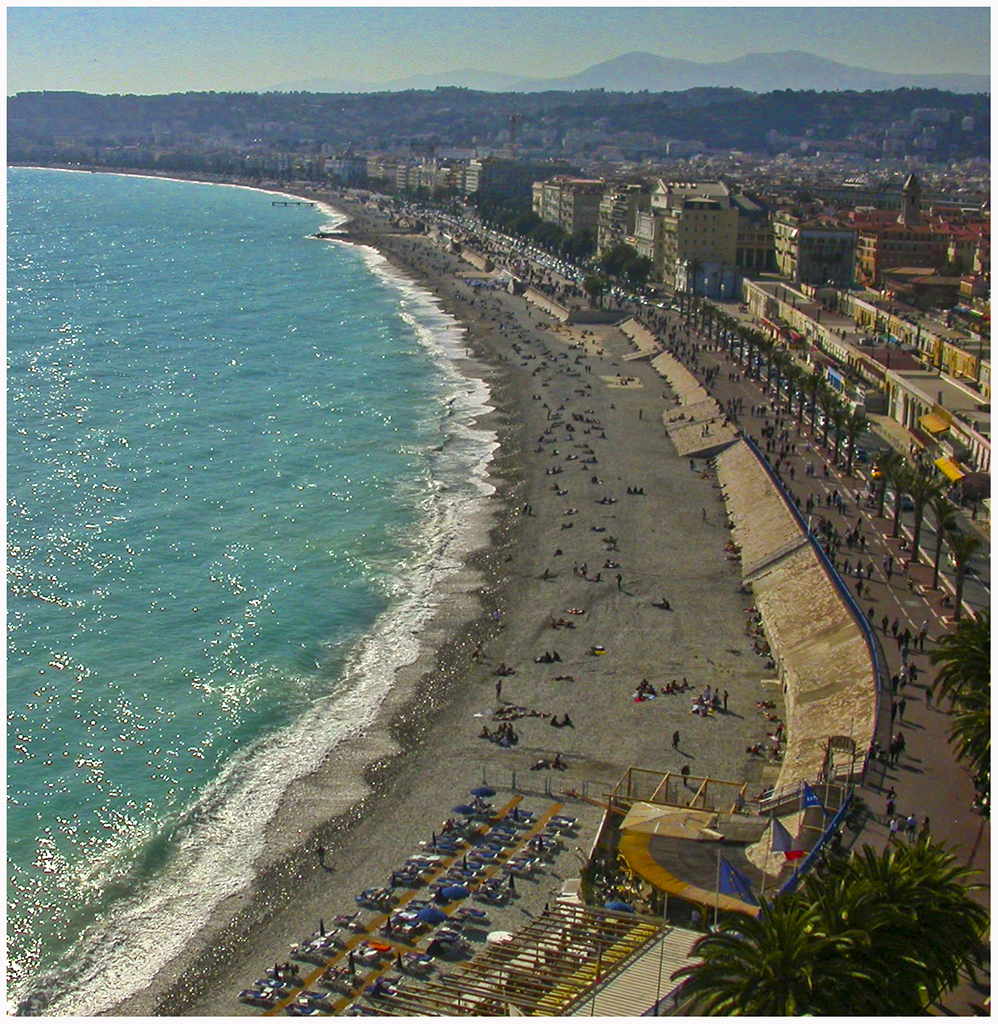
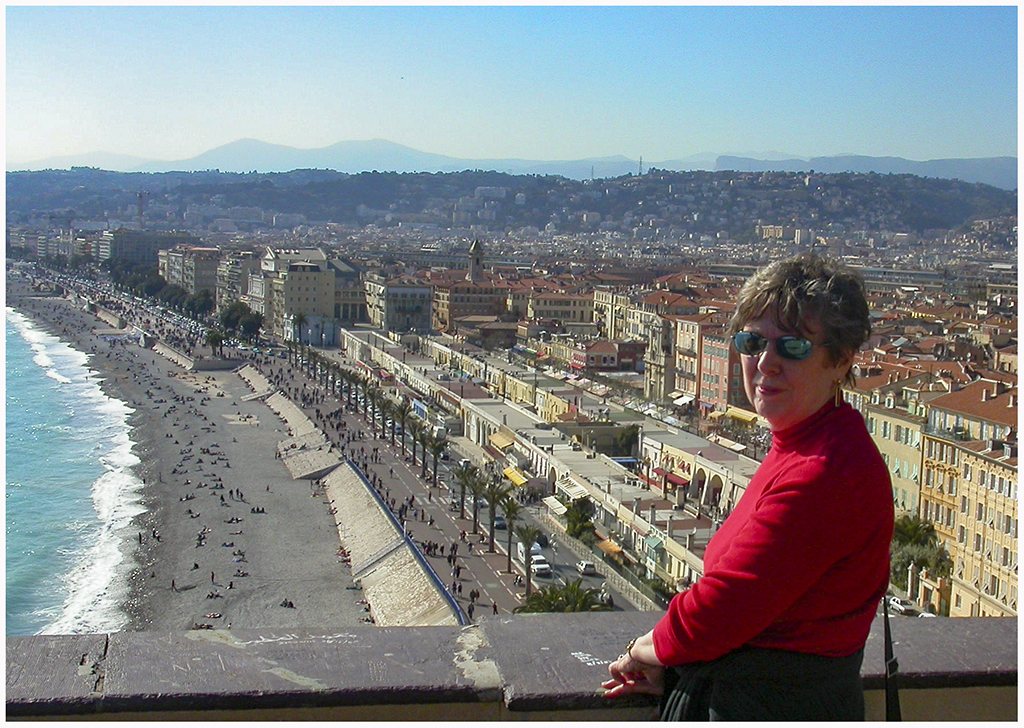
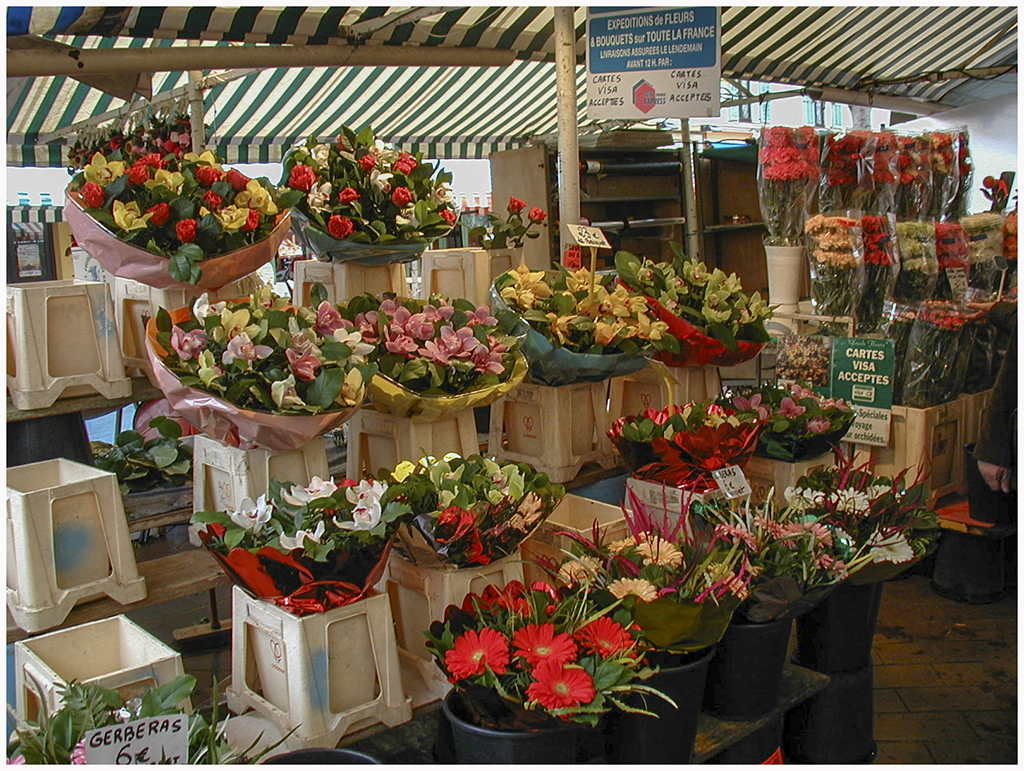
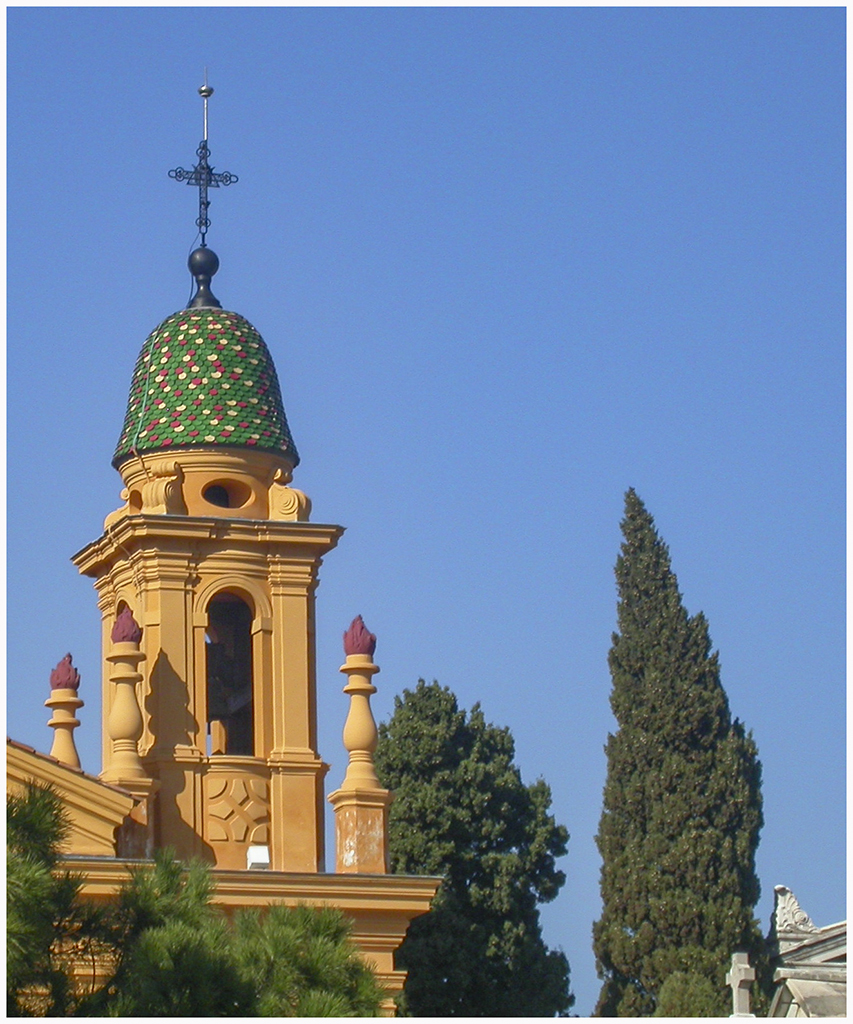
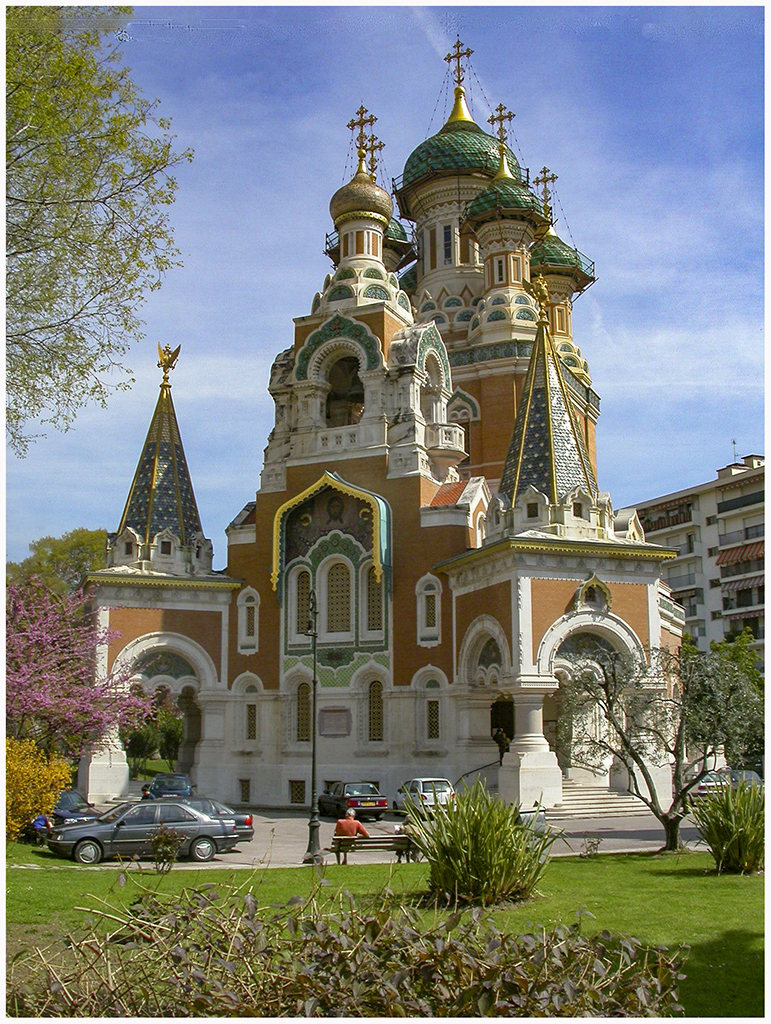
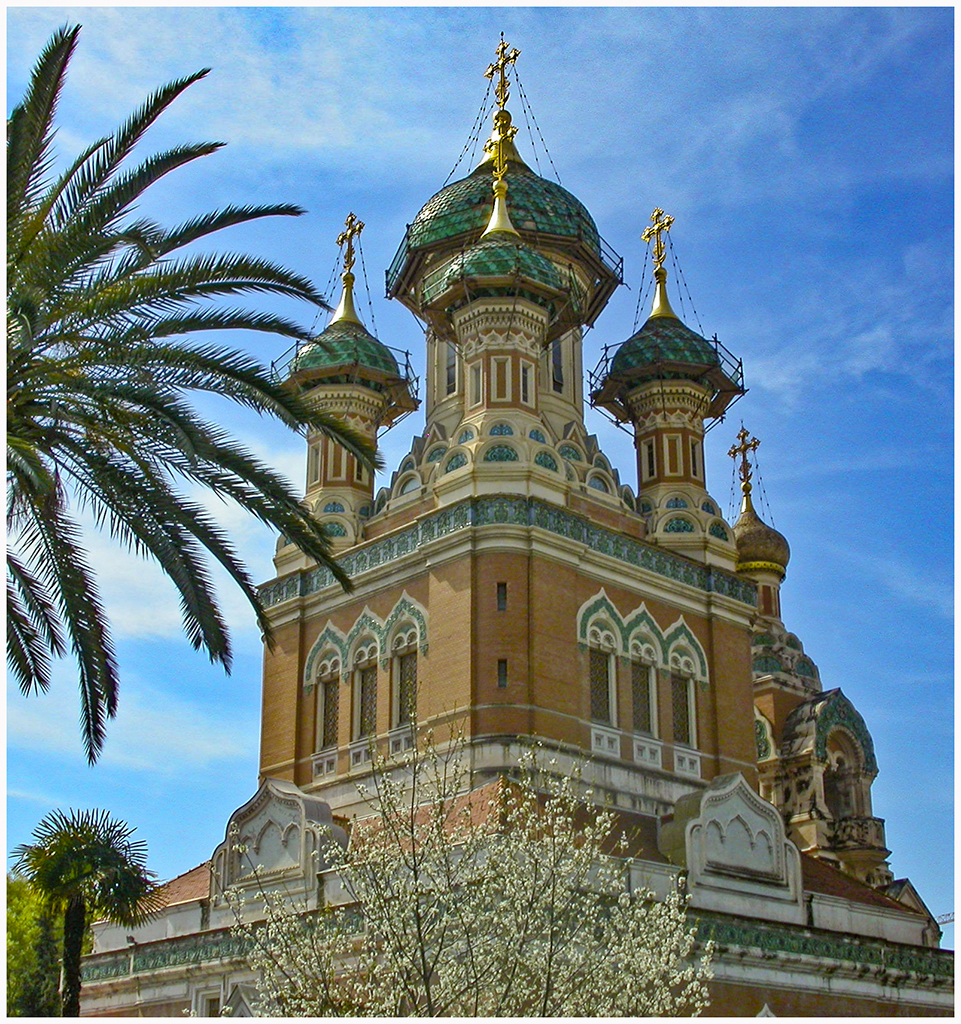
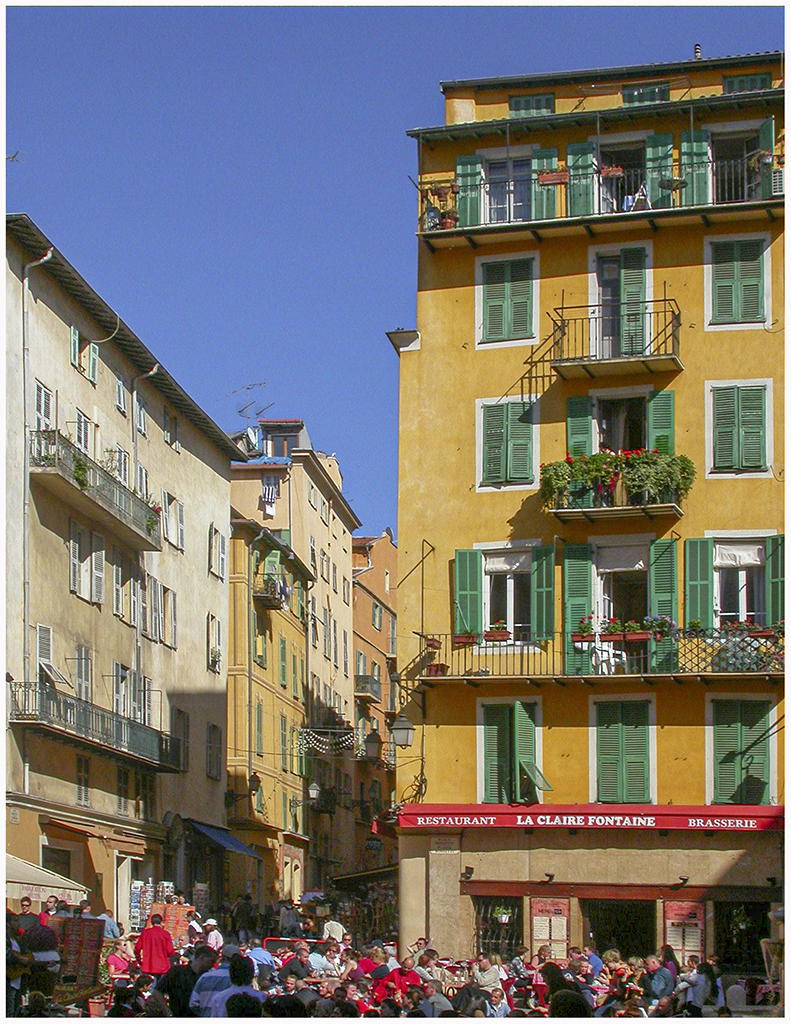
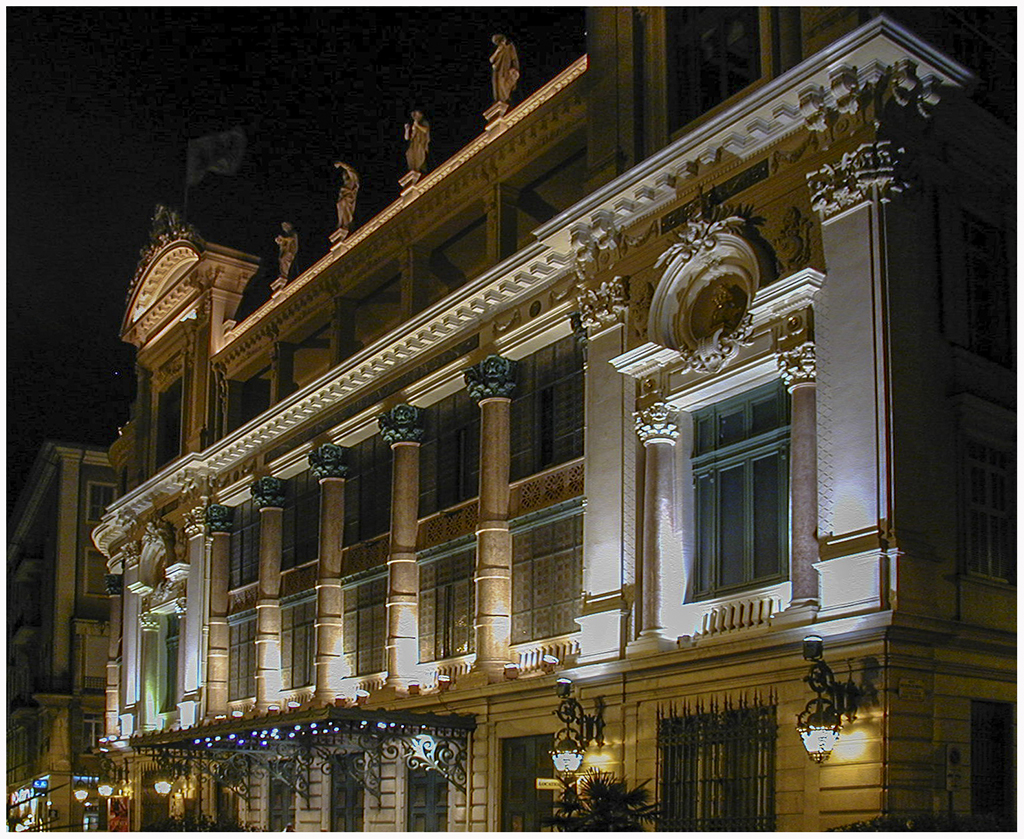
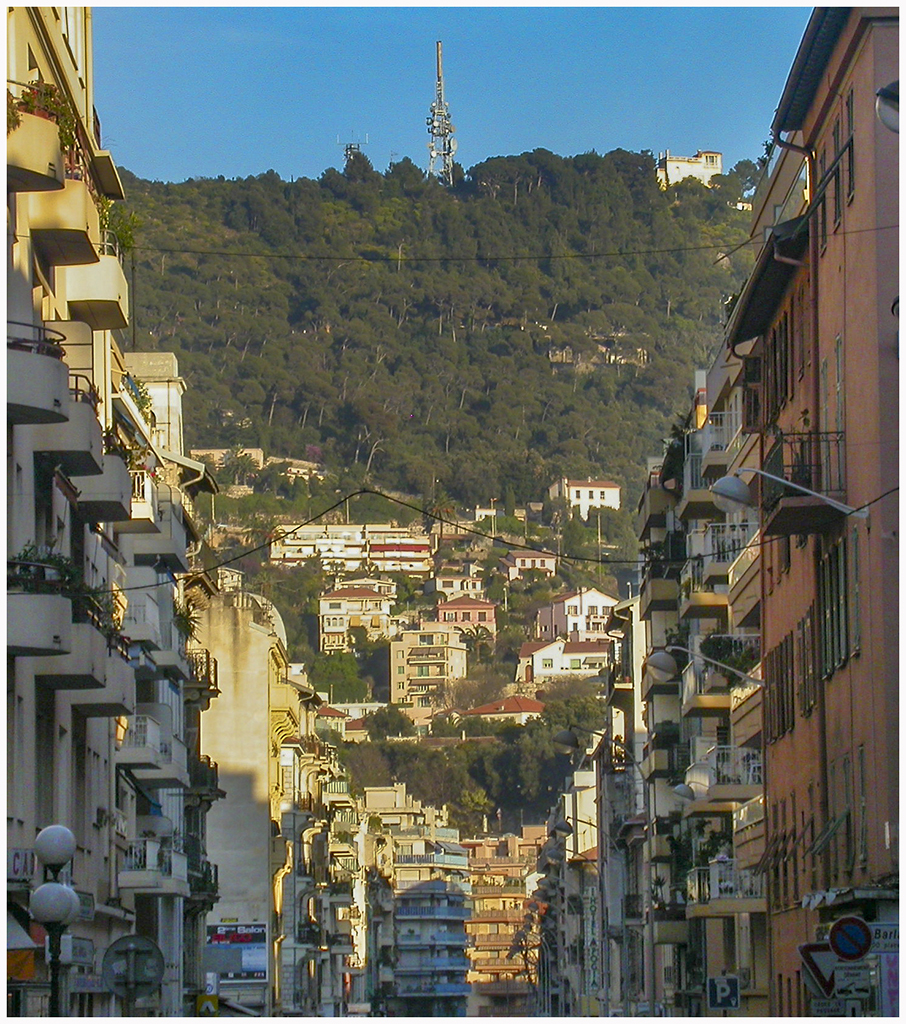
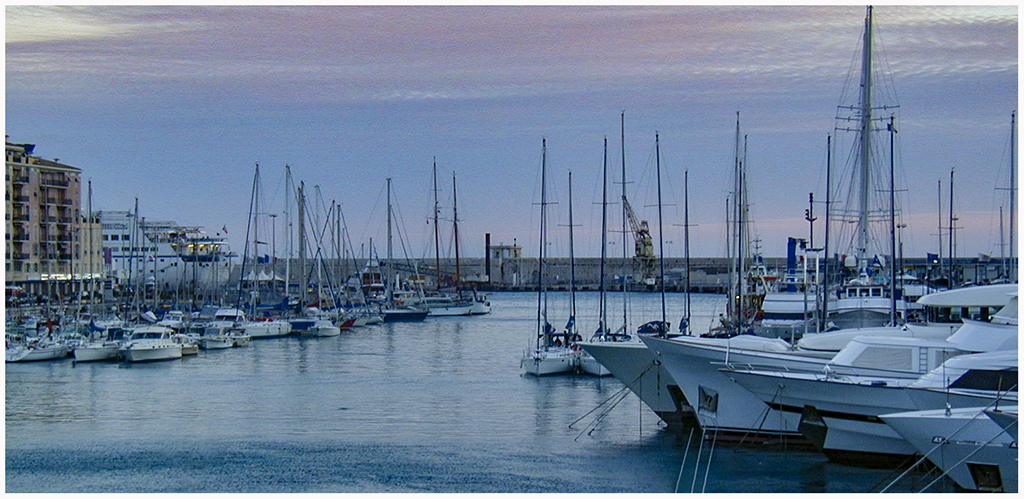
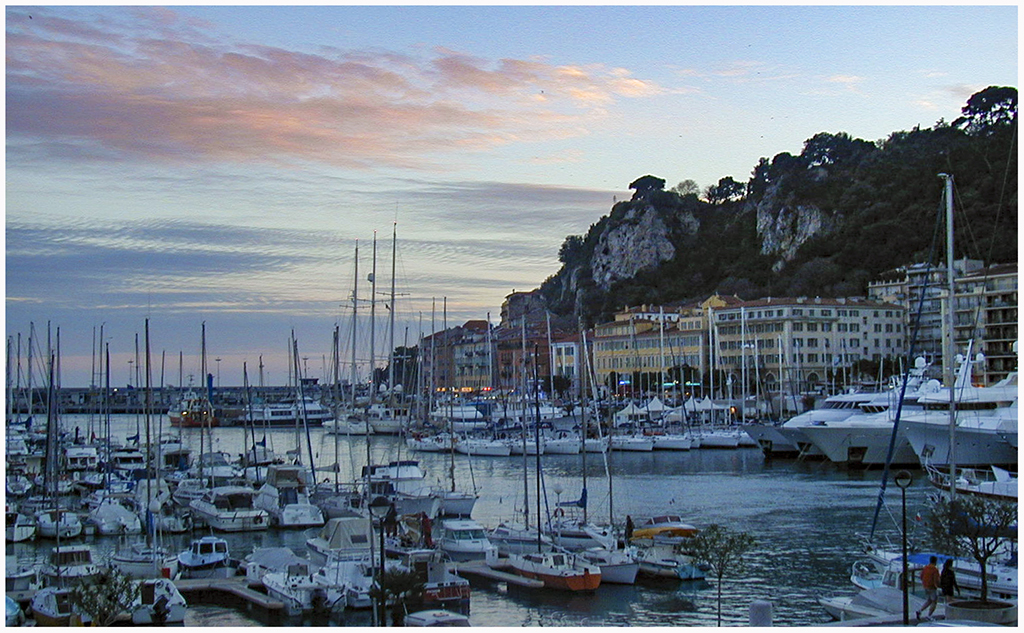
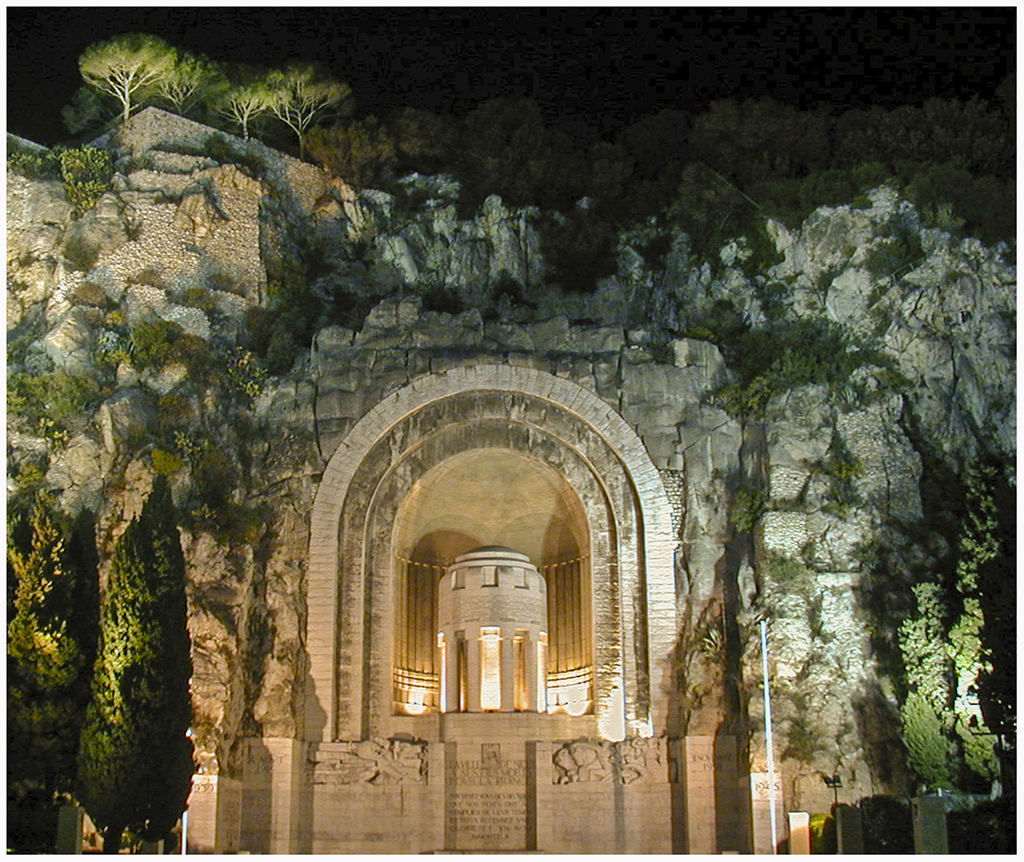
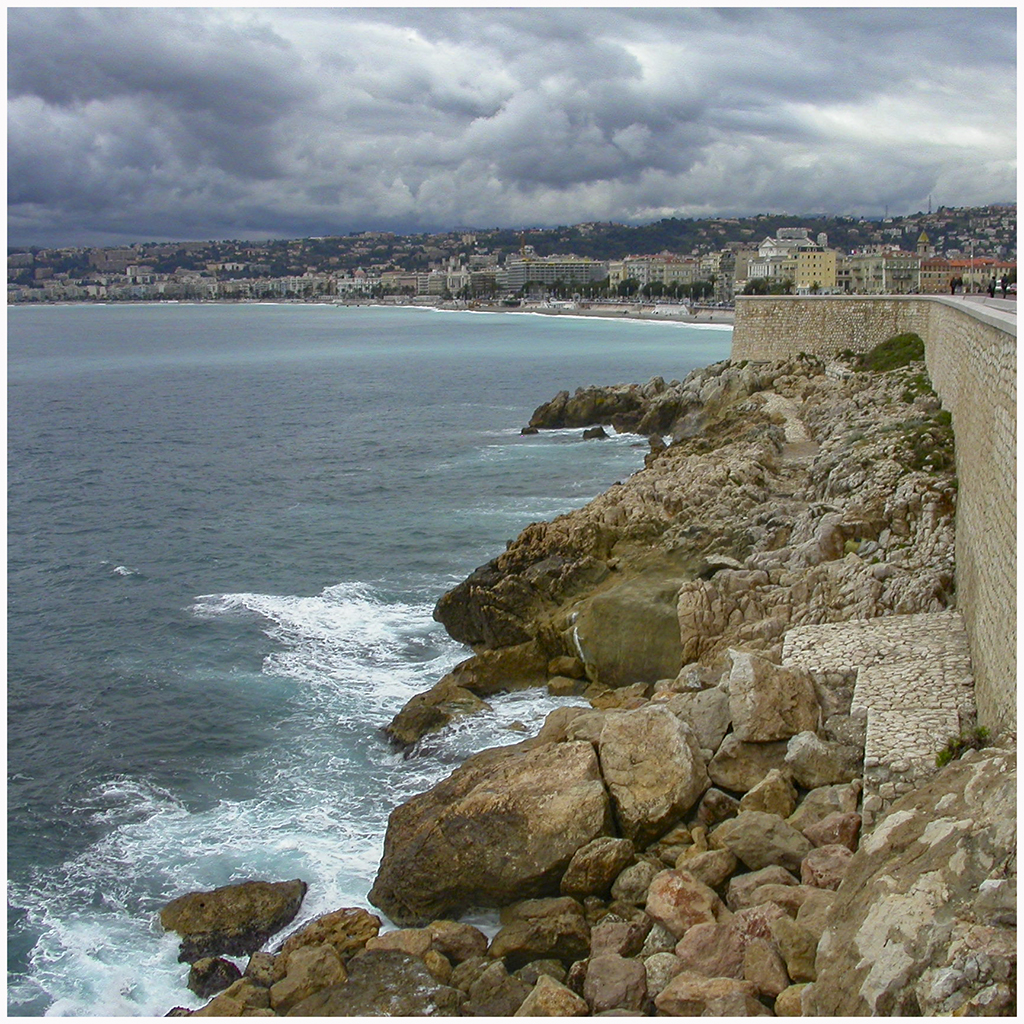
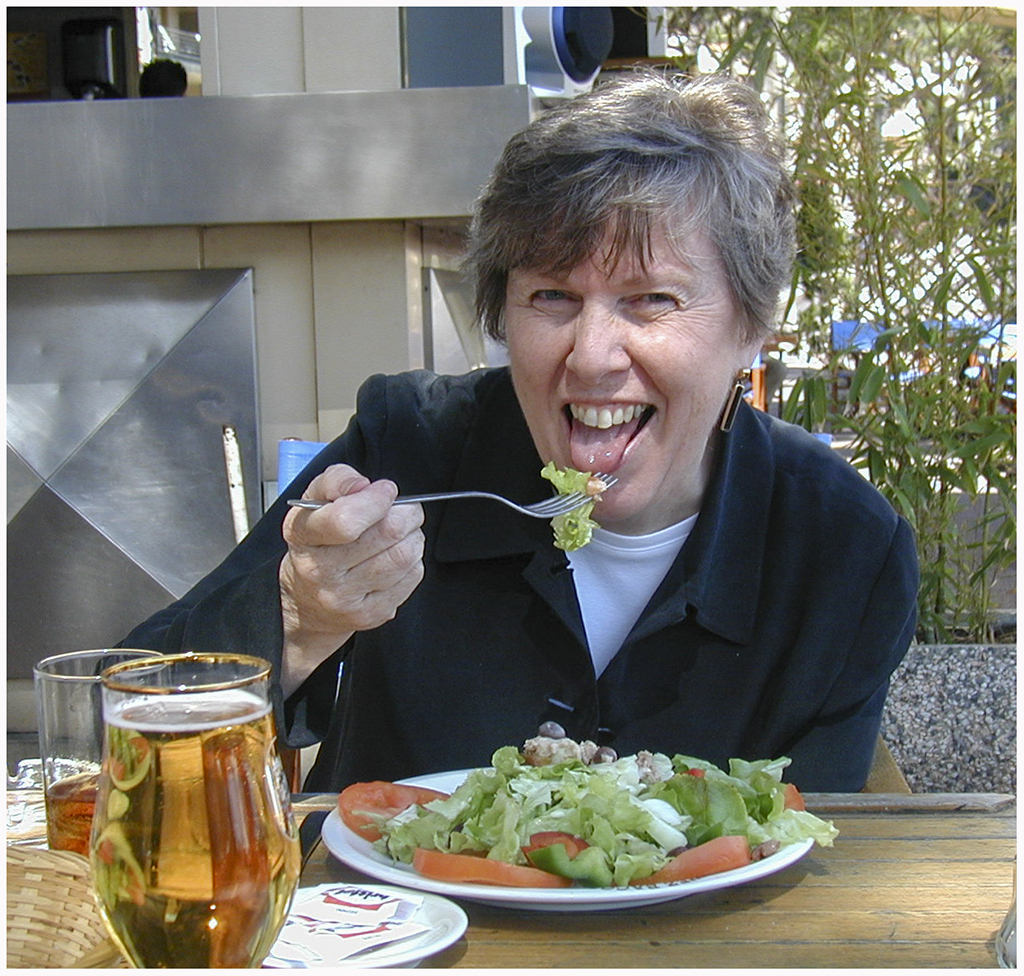
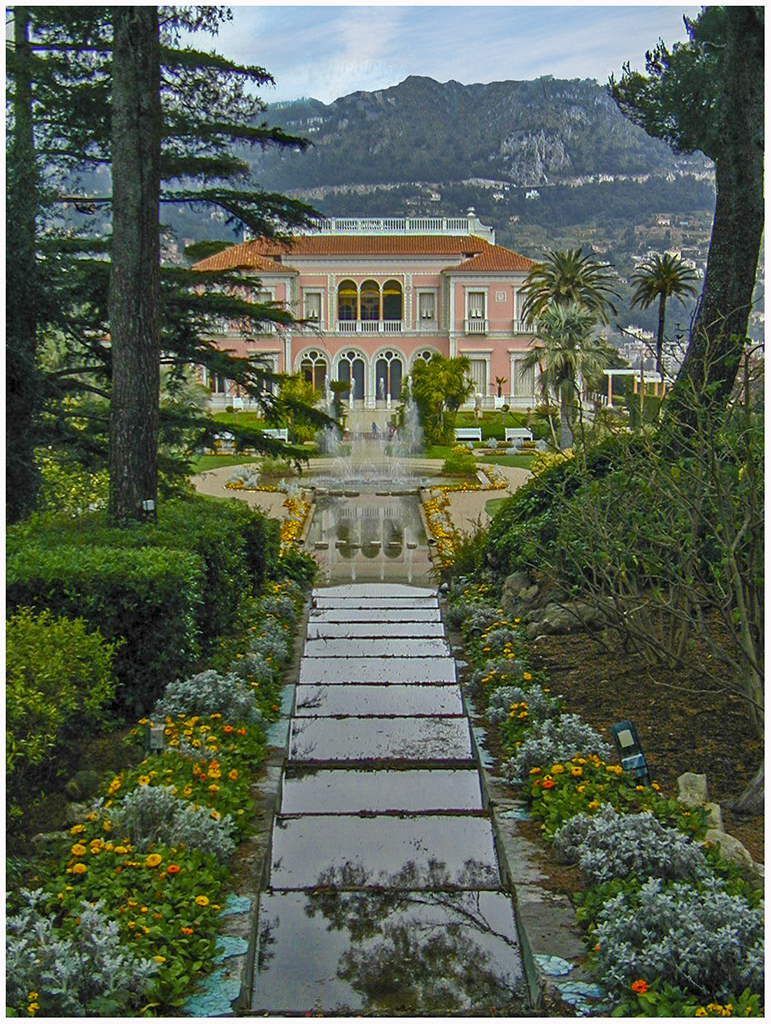
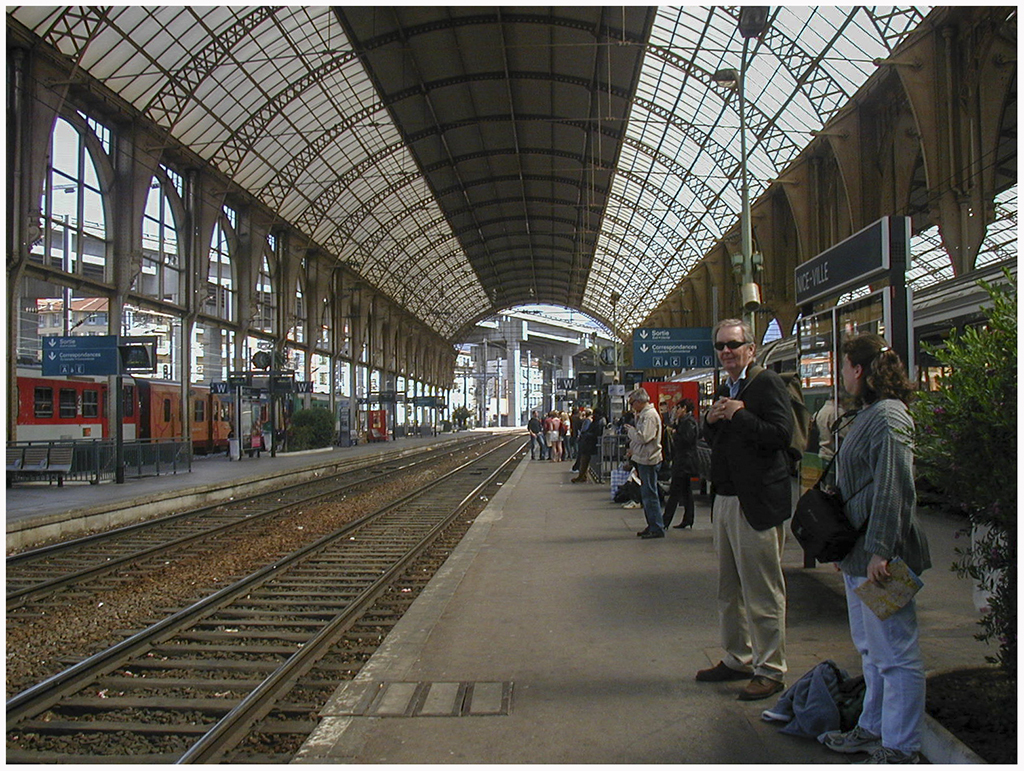
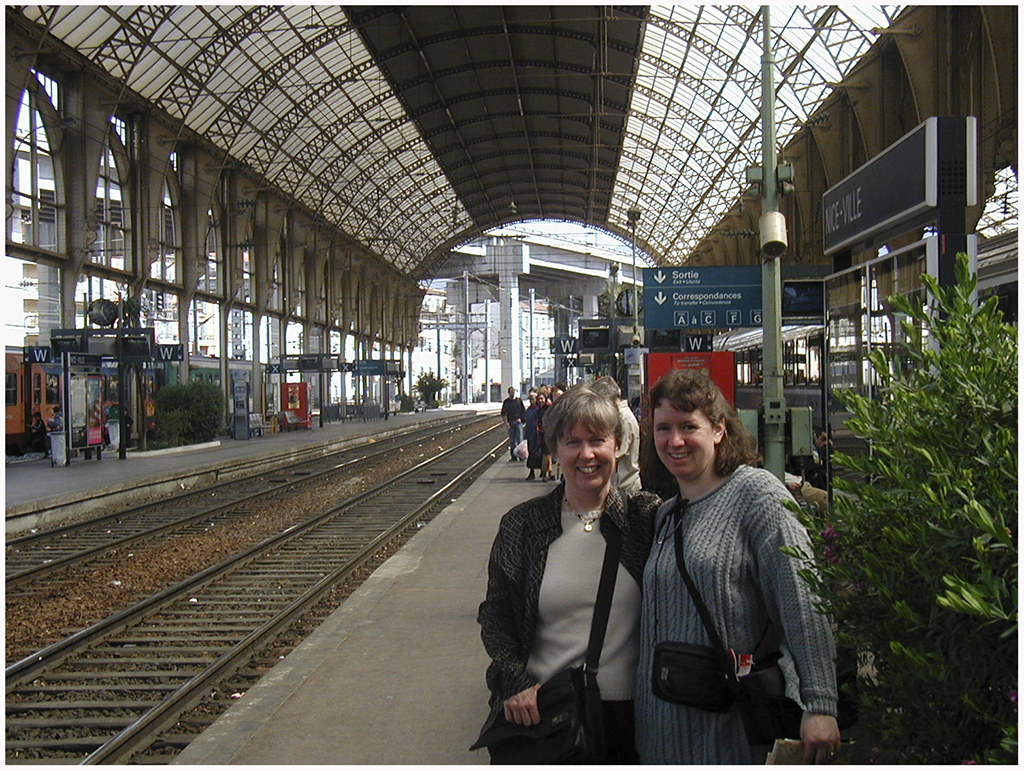
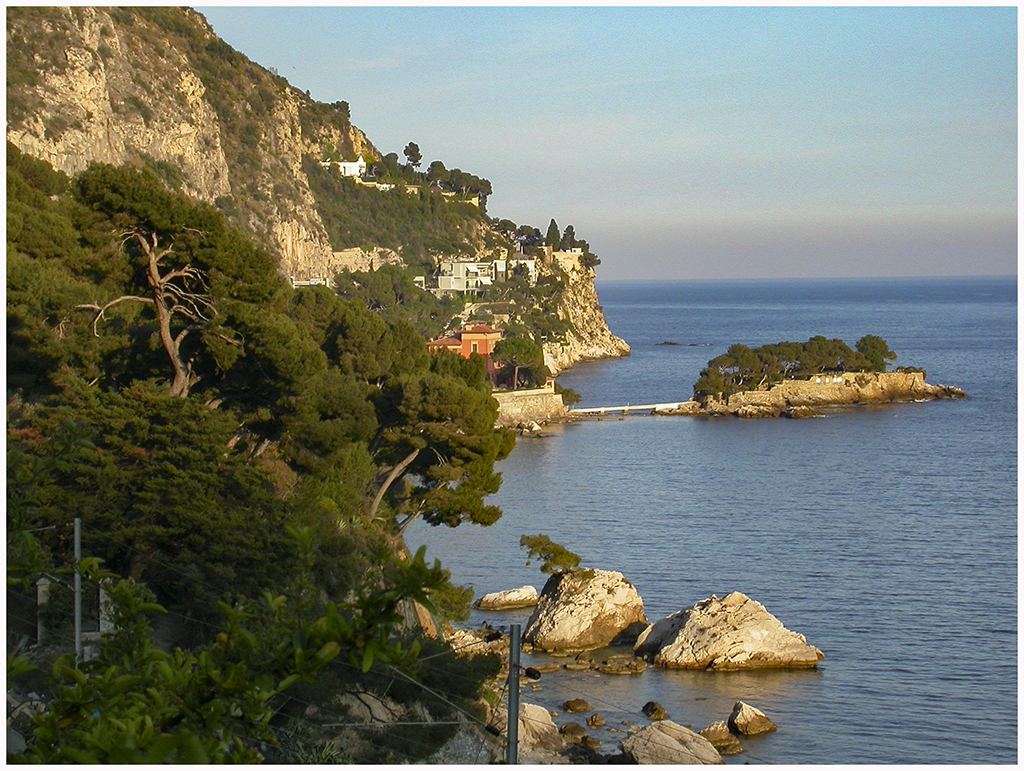
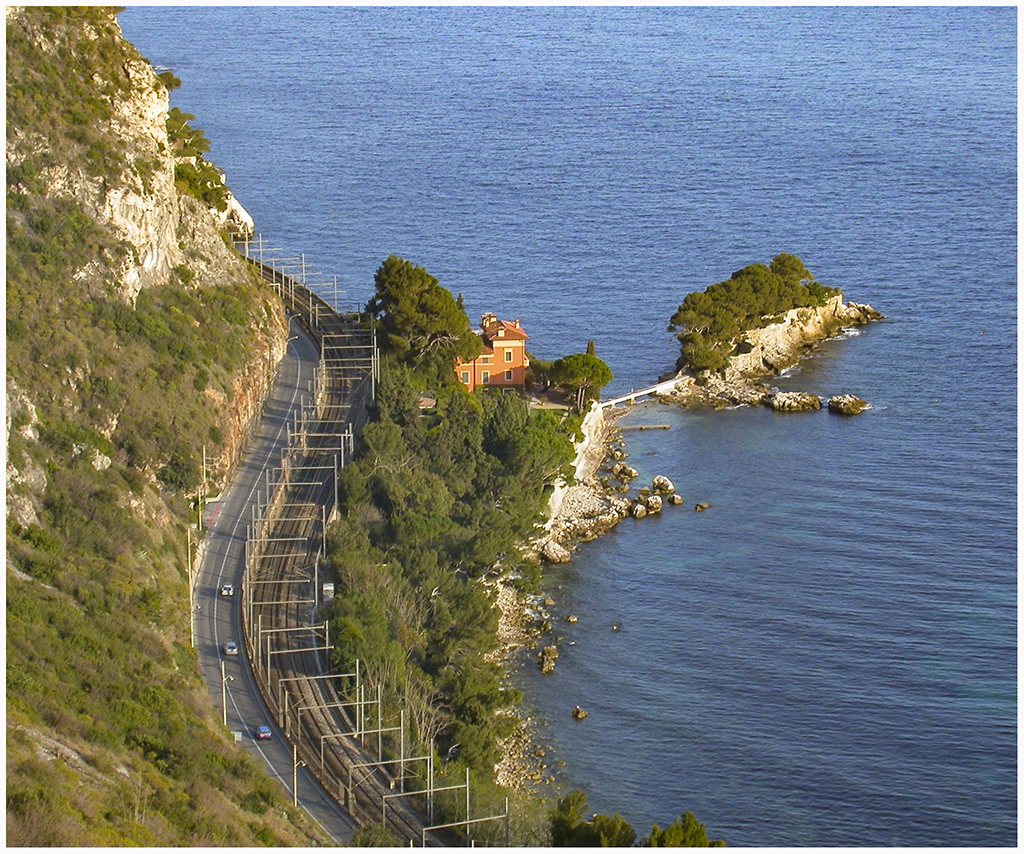
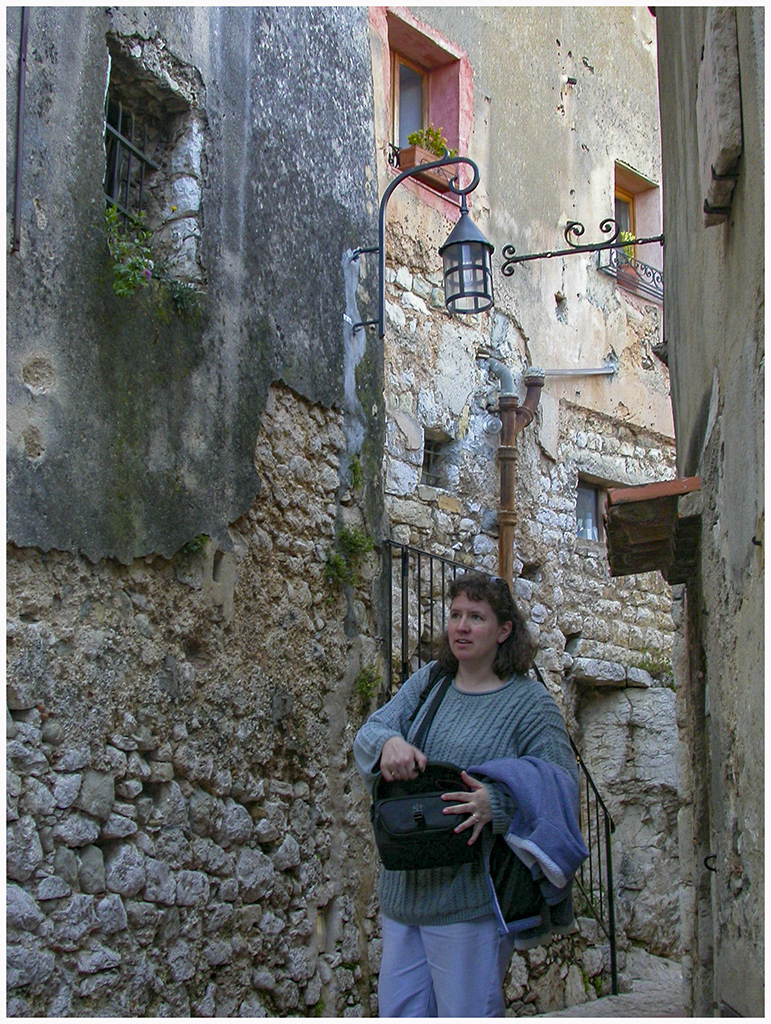
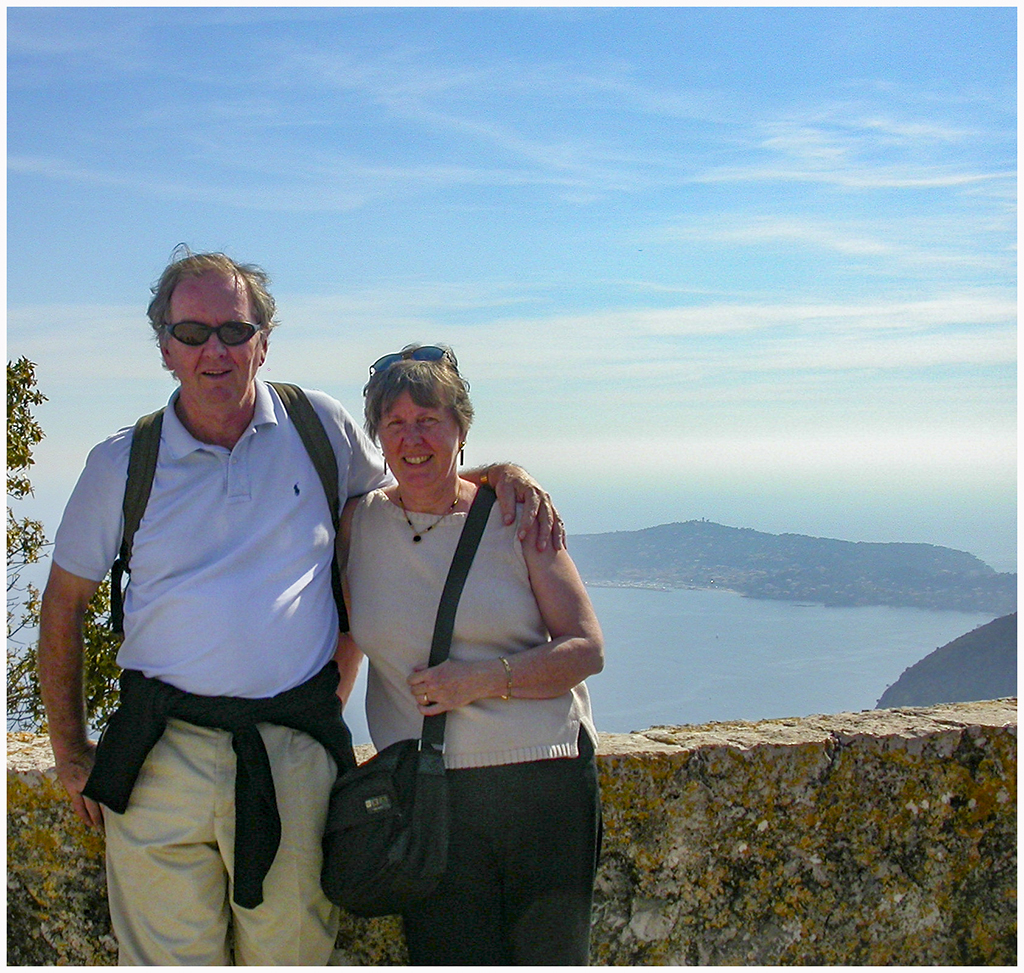
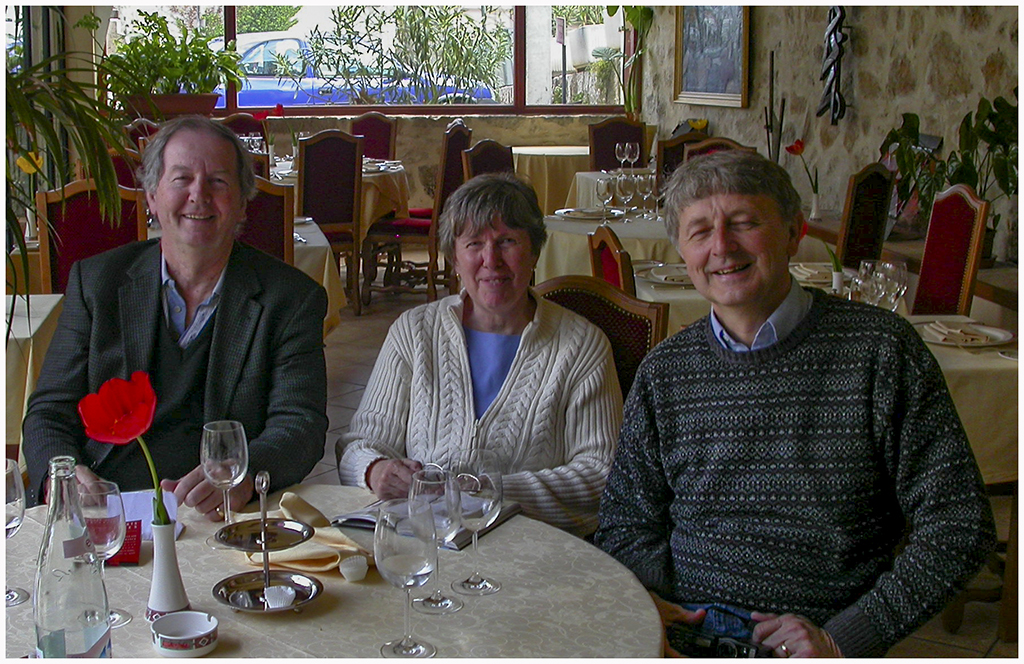
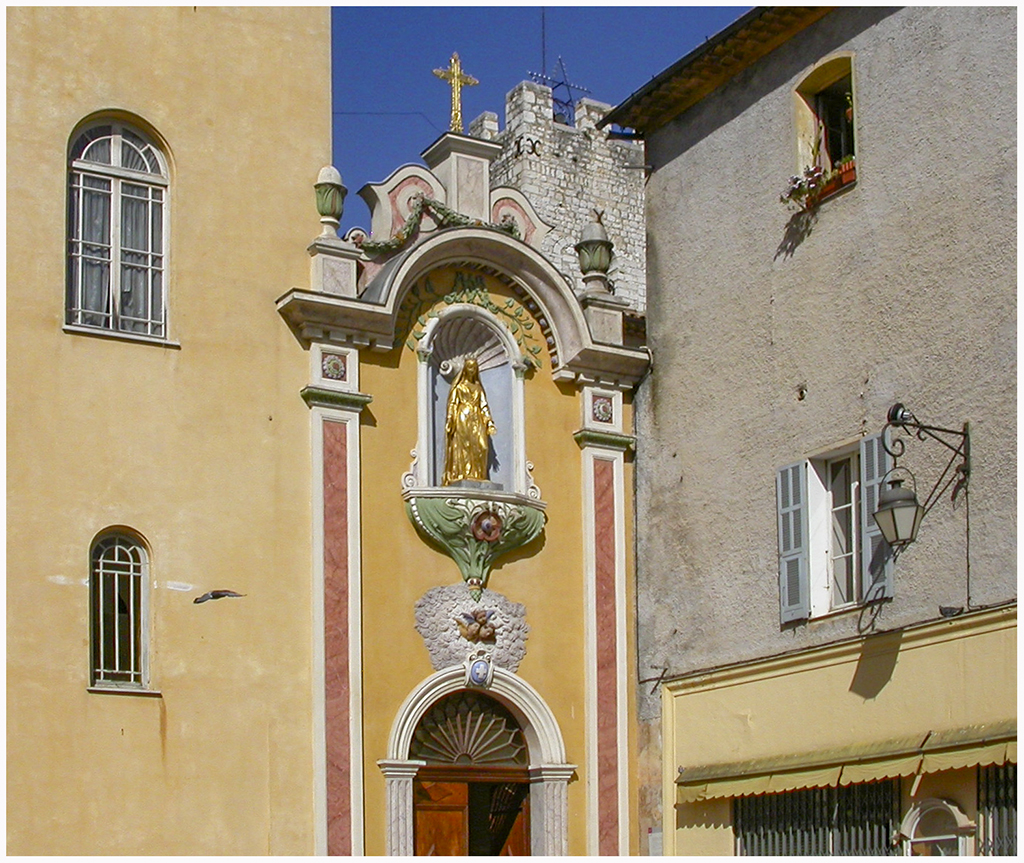
So much for science. Shirley came with me to visit Nice, a city of some 300,000 or so
inhabitants on the Cote d'Azur. Shirley was able to experience the city and some of
its environs while I was in meetings. Together we managed several trips to see nearby
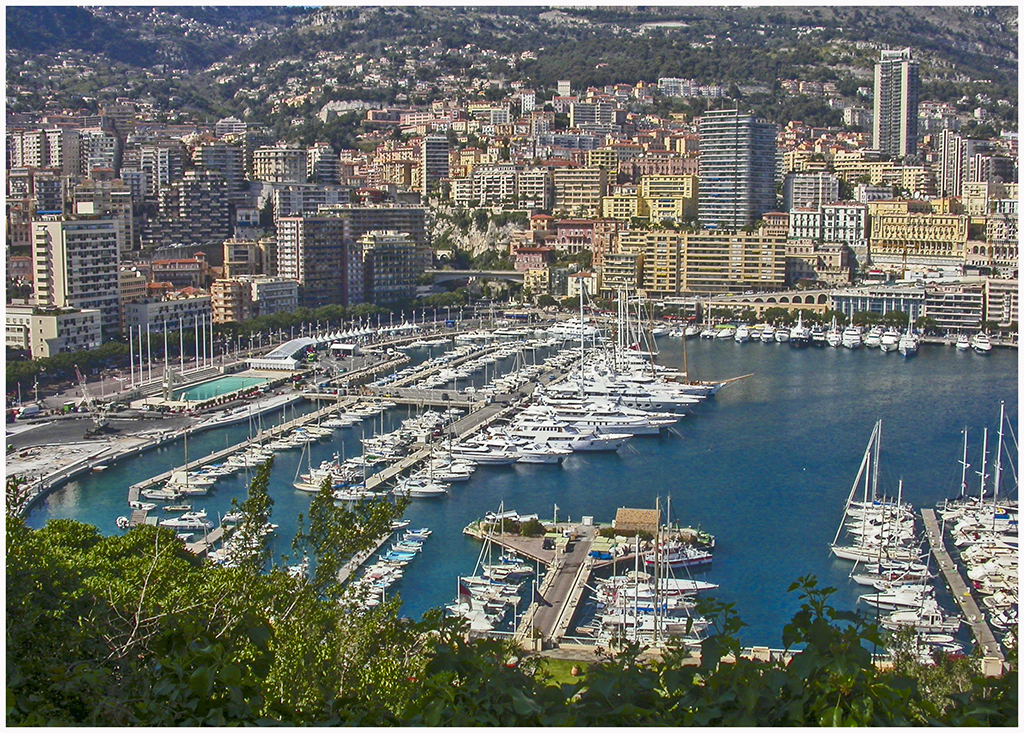
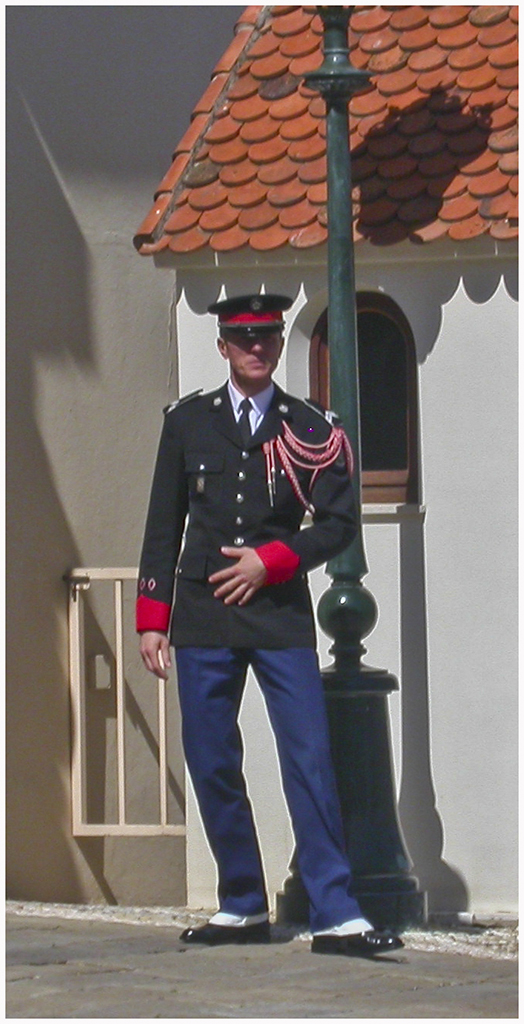
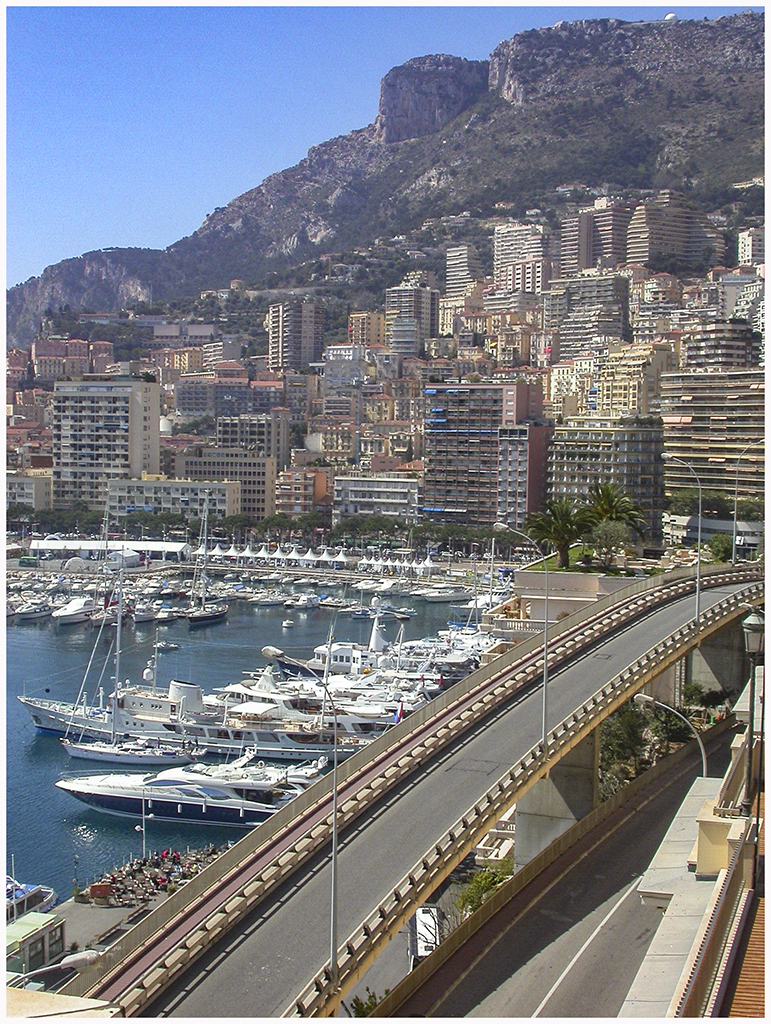
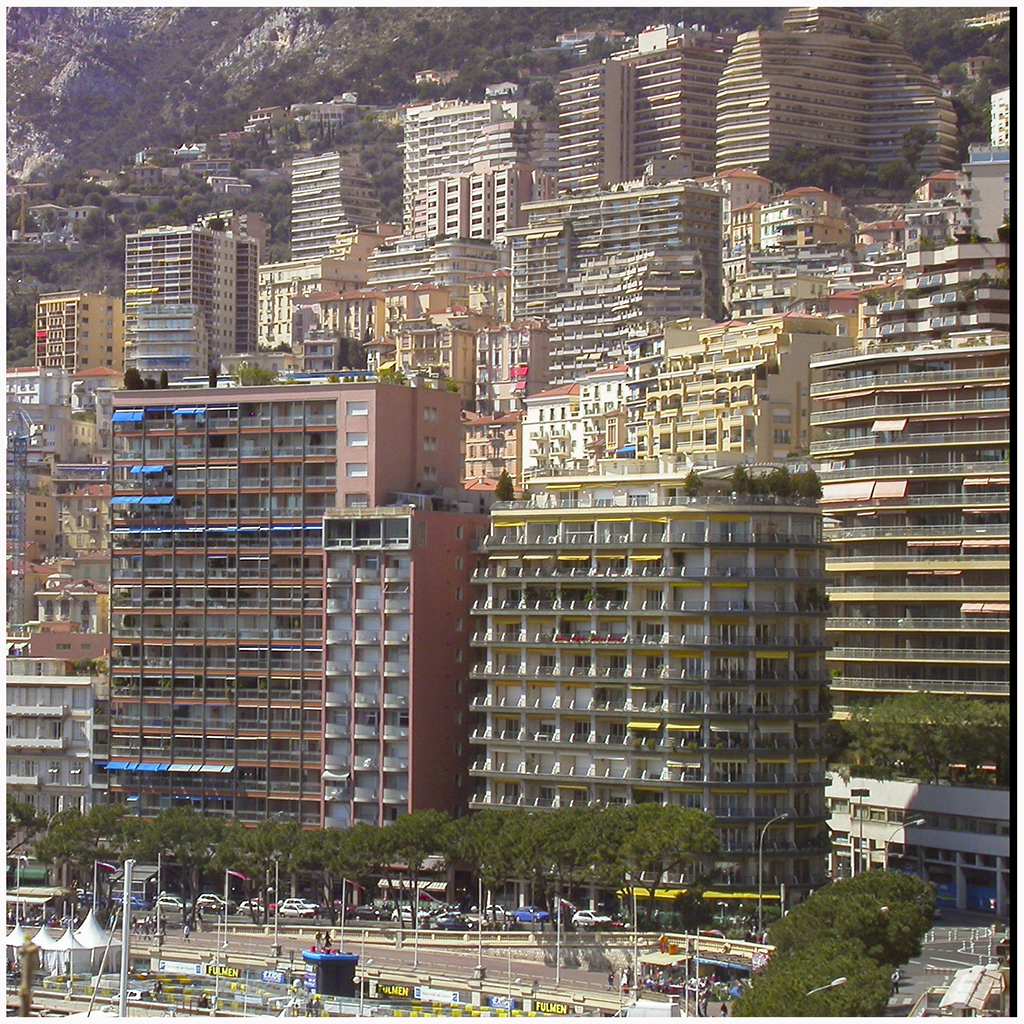
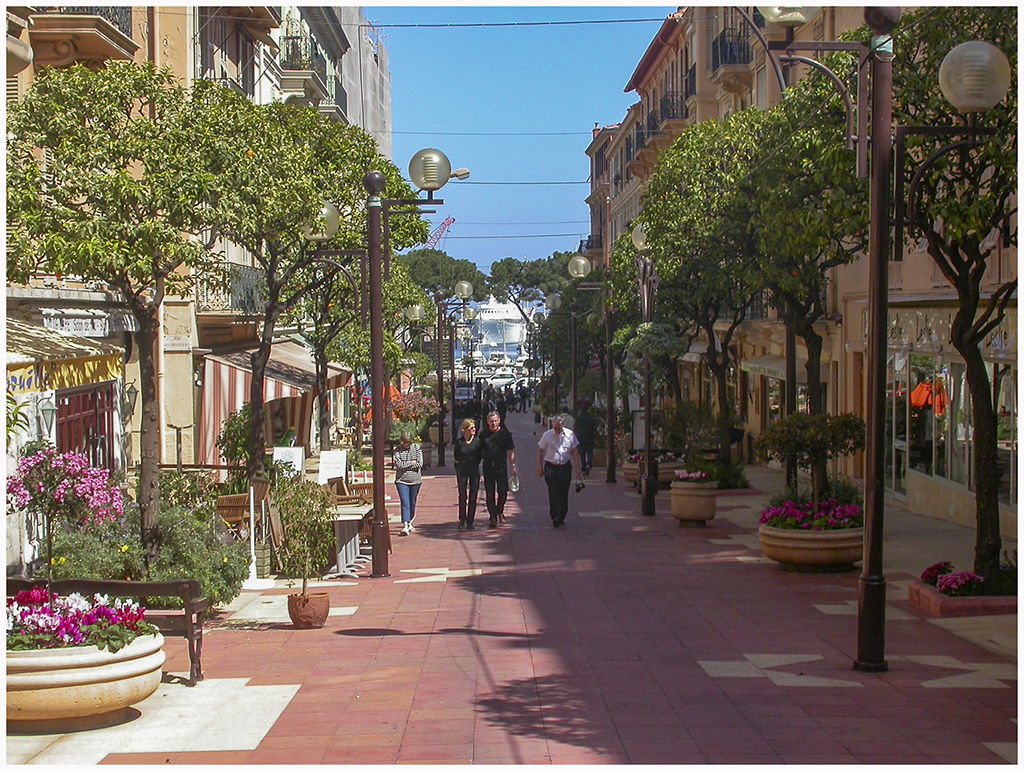
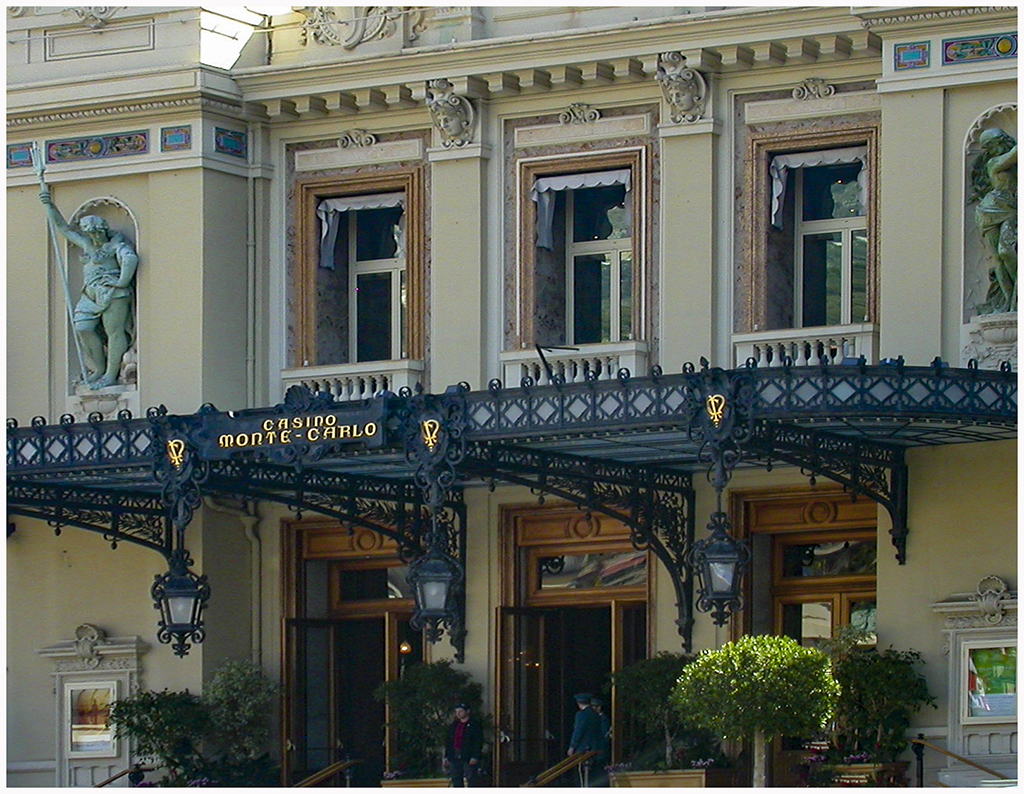
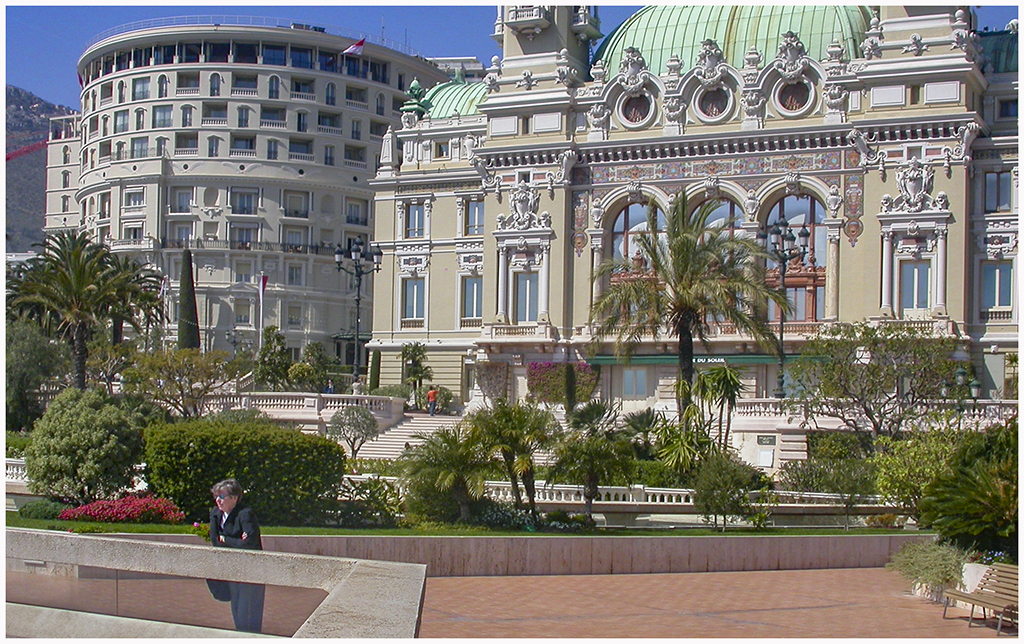
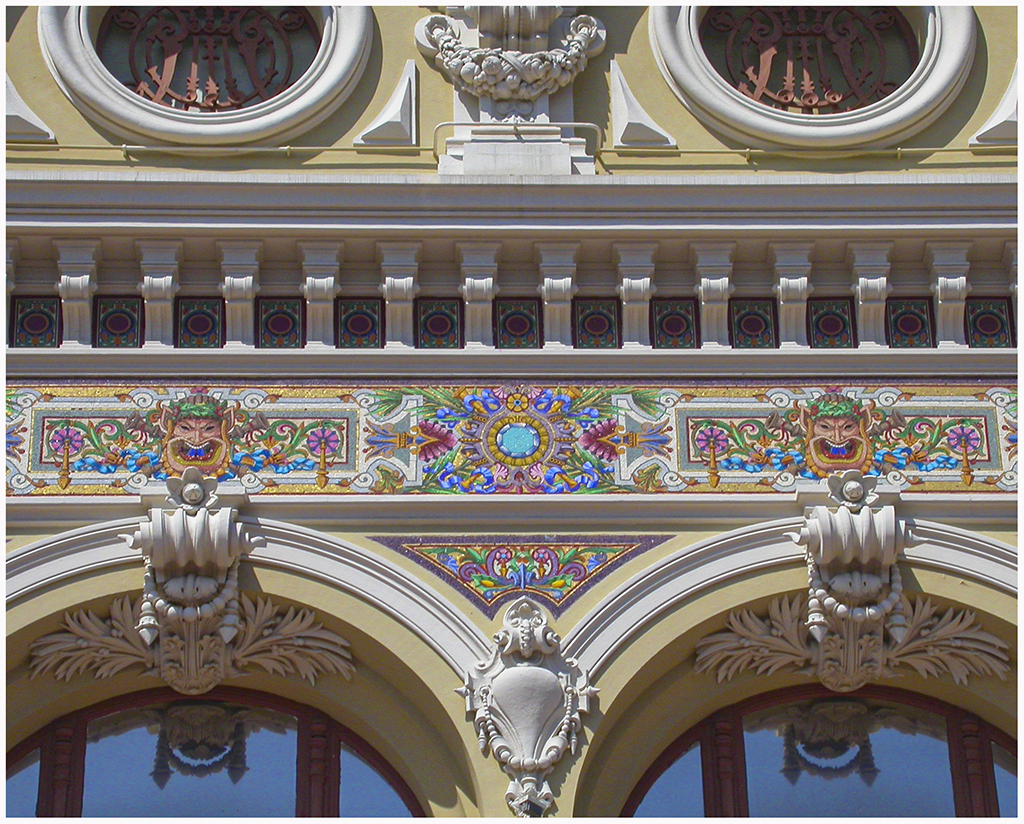
sights. We went to Monte Carlo in the small principality of Monaco. We went to the
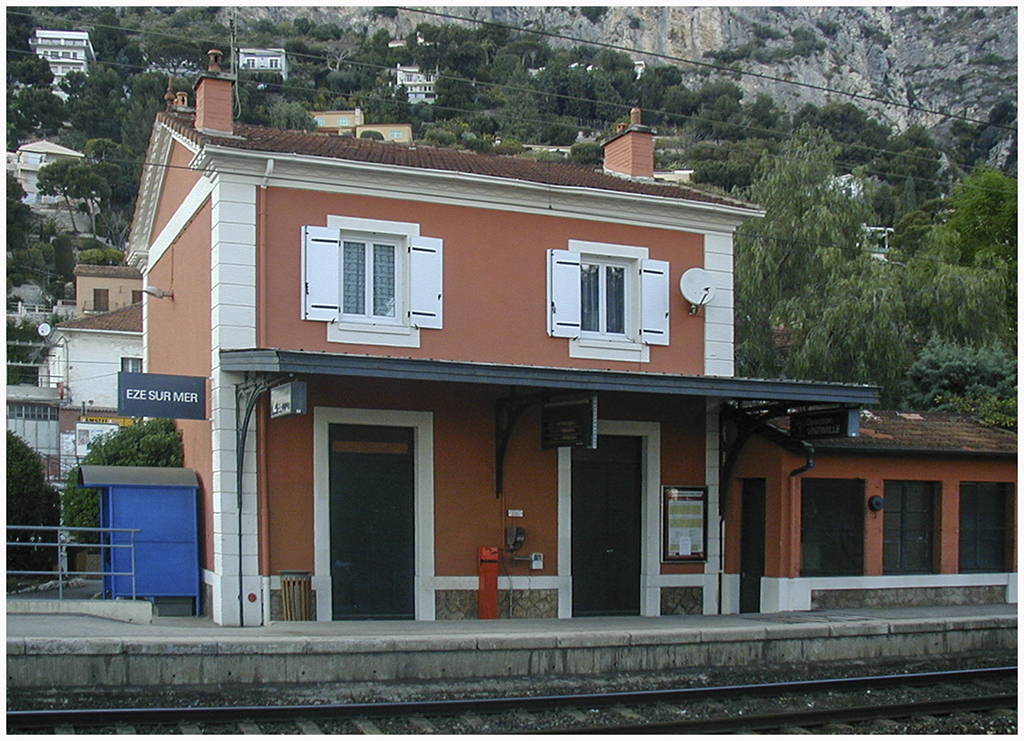
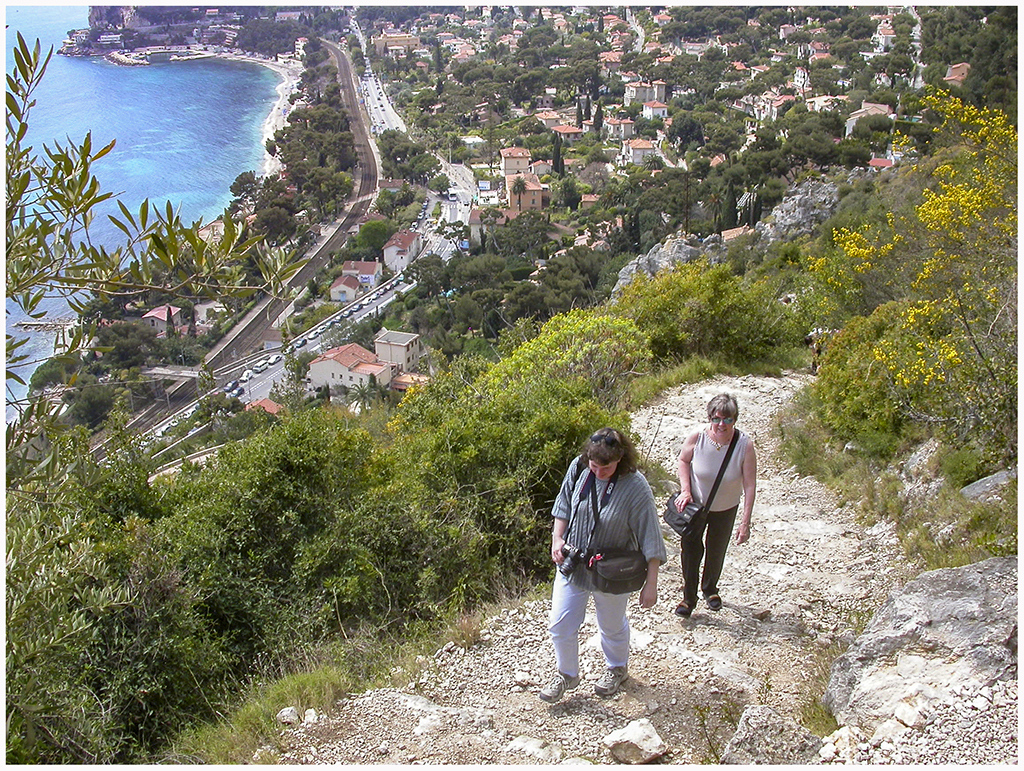
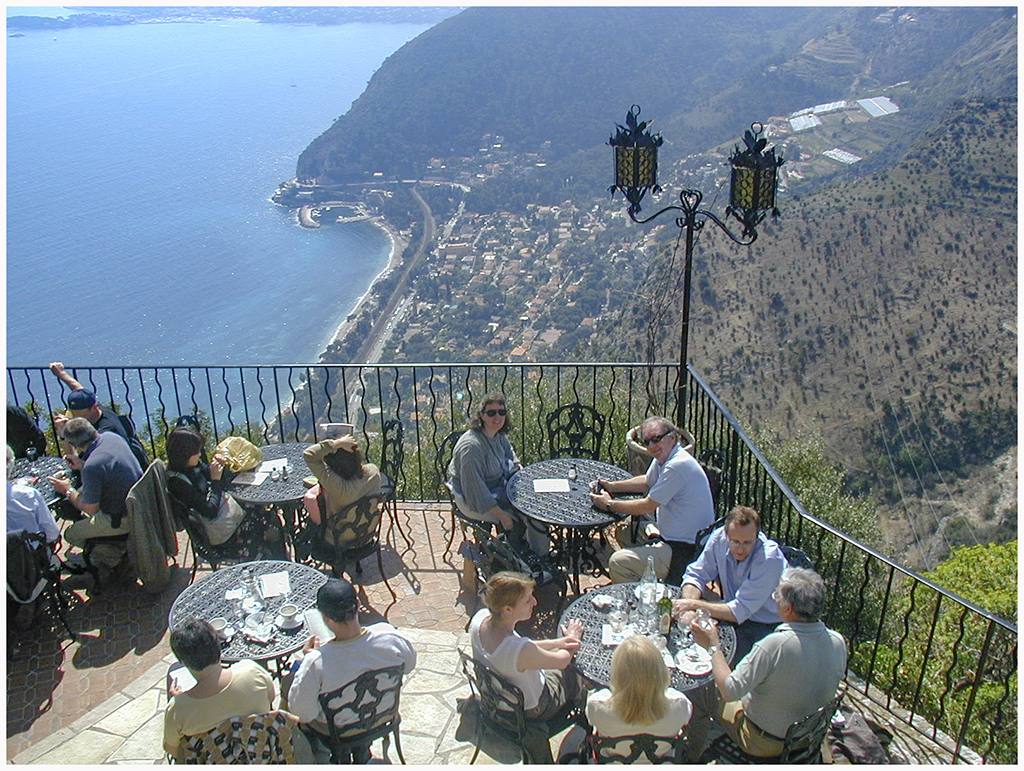
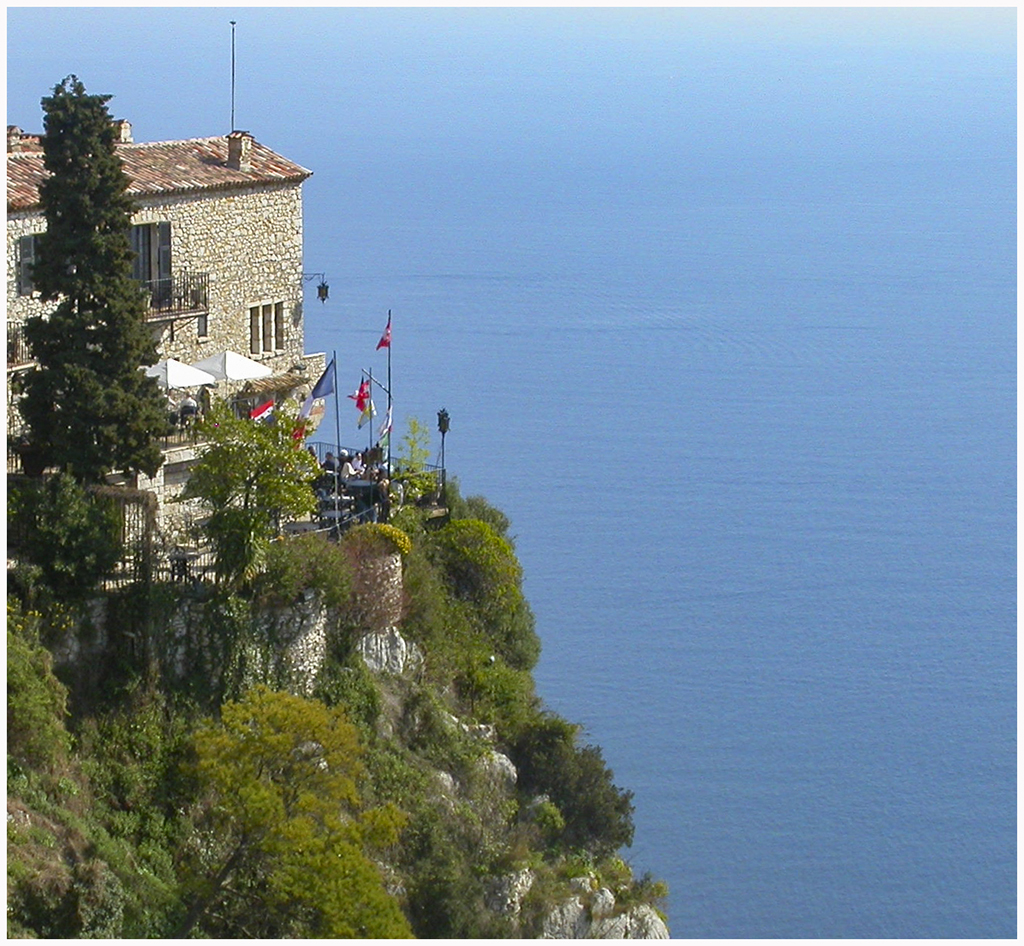
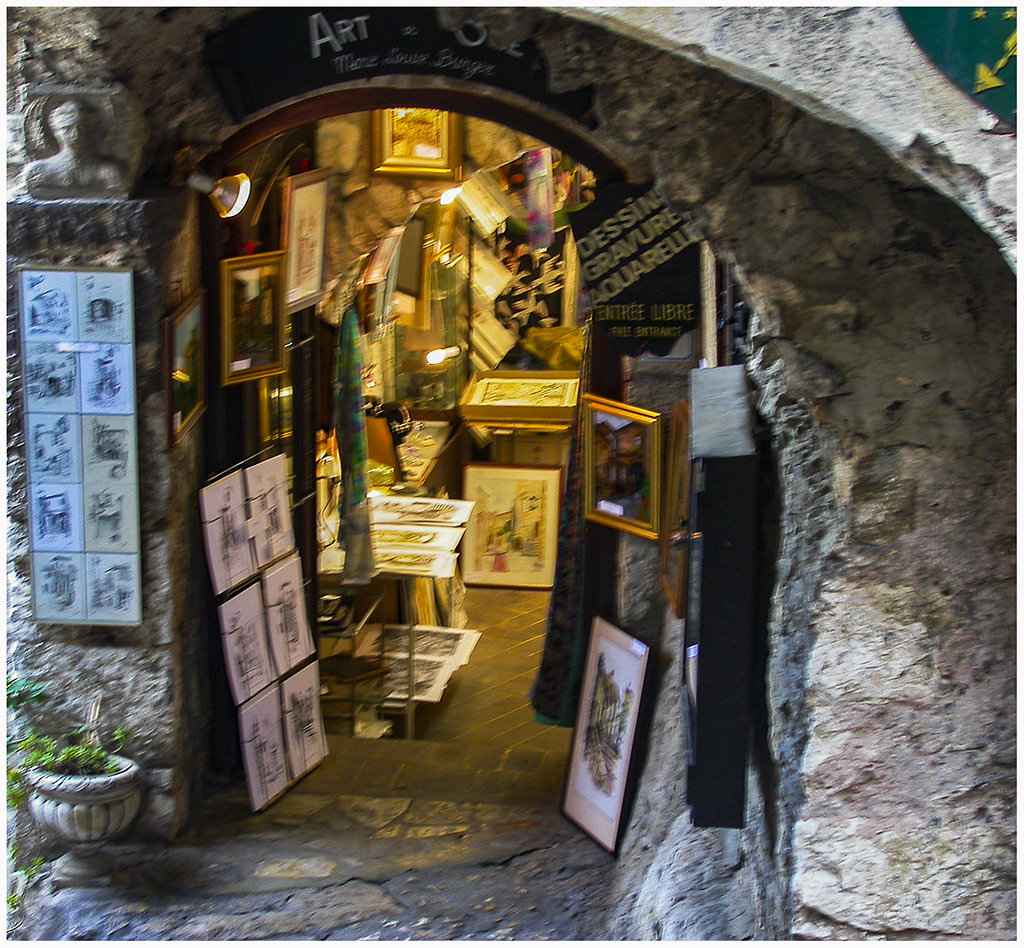
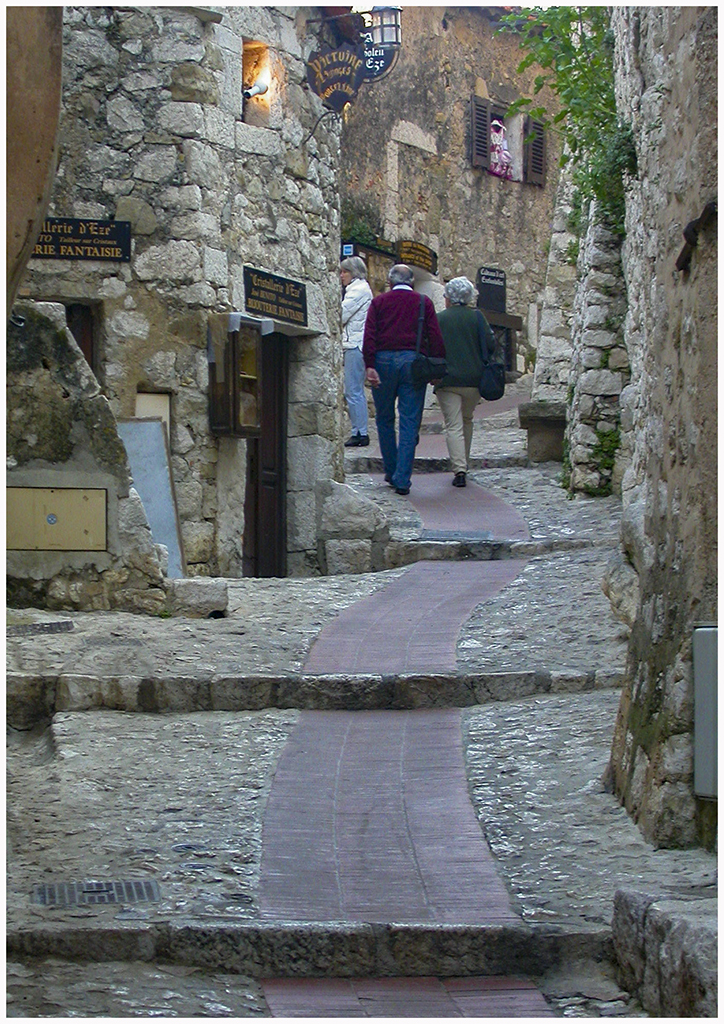
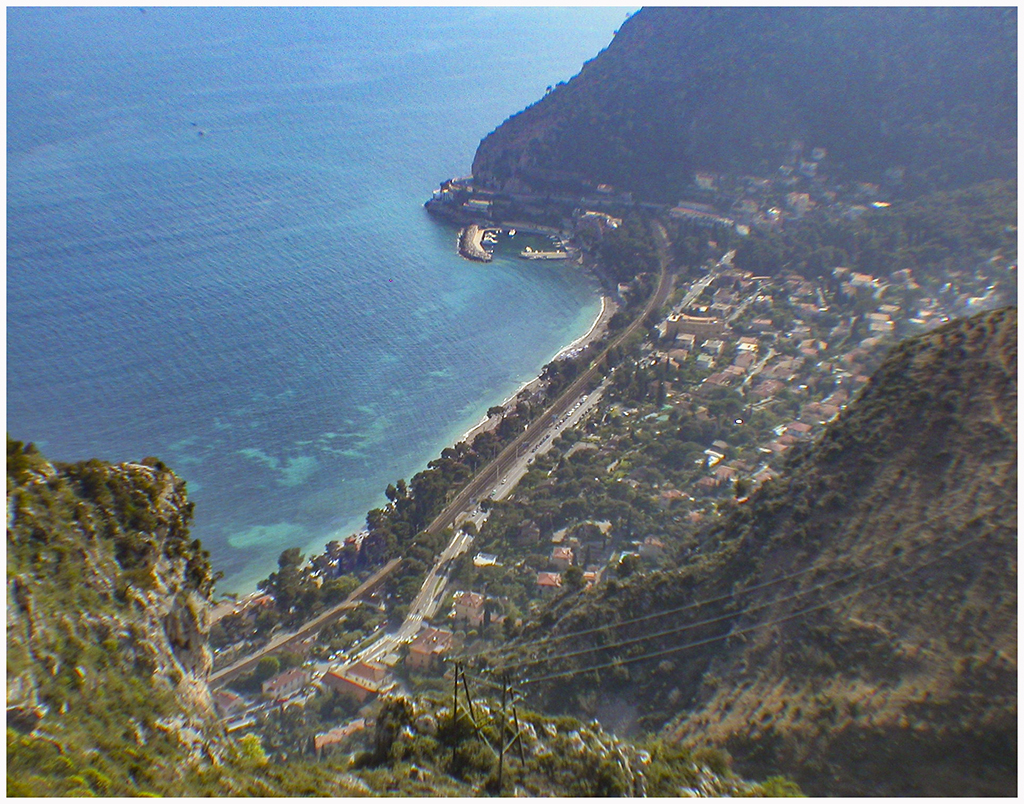
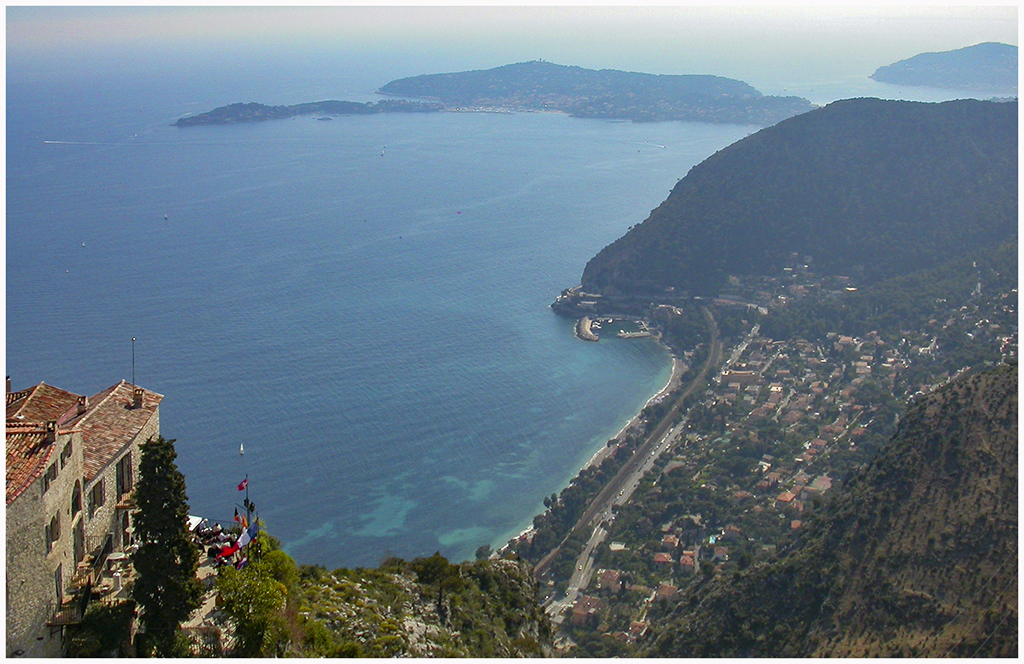
Medieval town of Eze by taking the train to Eze-sur-Mer and hiking several thousand
vertical feet up the mountain to the amazing town with a gorgeous view of the Mediterranean
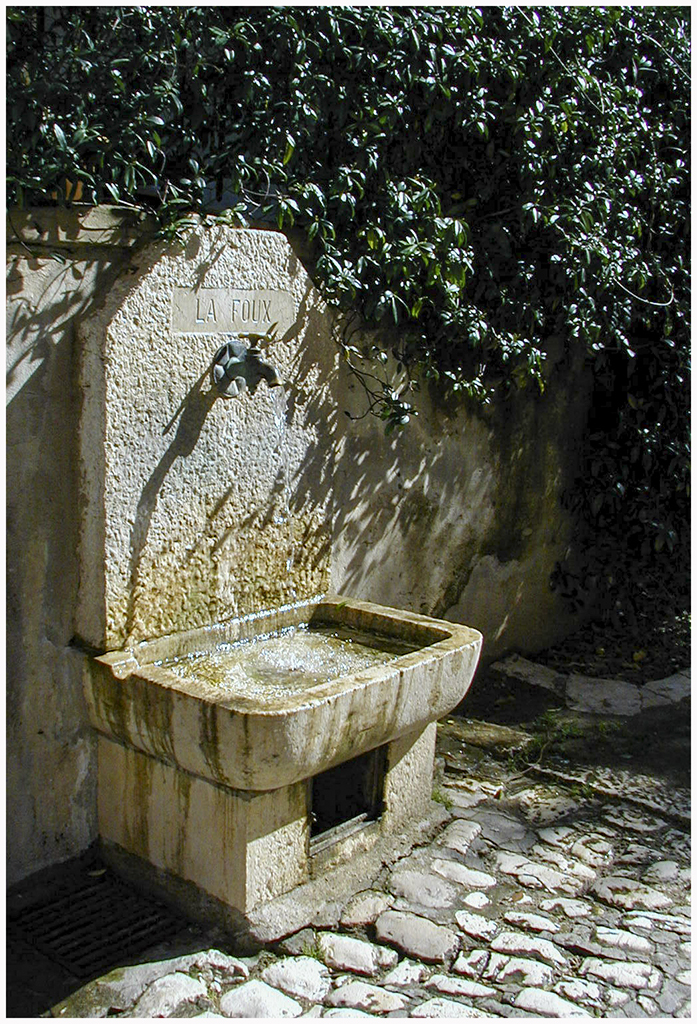
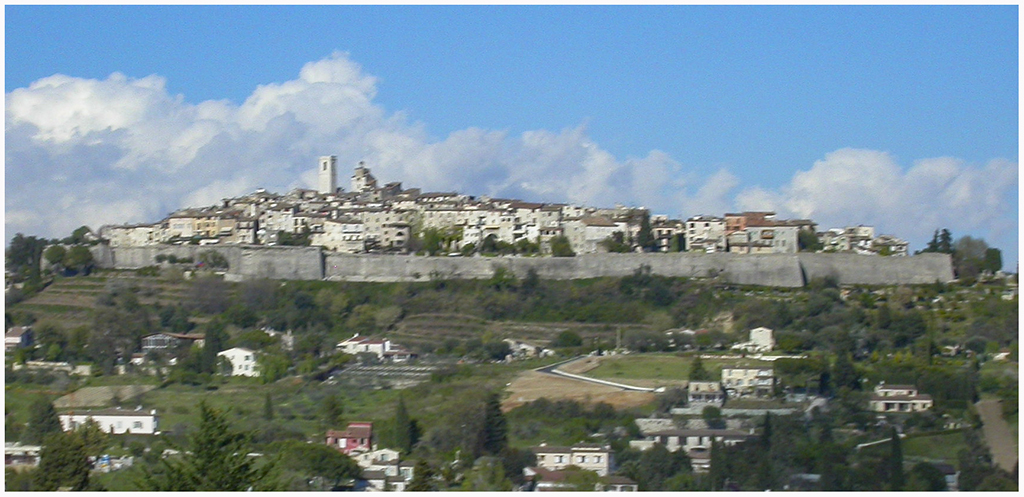
below. We later took a bus up in the hills to the Medieval town of Vence that among
other things is famous for its water.
|
 copy.jpg)