Introduction
The sports media department in US newsrooms has historically always been a largely male dominated realm. The main sports covered are played by men, such as football, basketball, and baseball, and so it seems appropriate that men conduct the analysis and commentate the games. However, women have been breaking into the field, no pun intended, at an alarming rate and, surprisingly, are oftentimes warmly welcomed. However, there may be many differences in the workplace for these women that the common public is completely unaware of. The purpose of this project is to uncover the journeys, struggles, and successes of female reporters working for ESPN, a pioneer ‘all sports all the time’ corporation, and an attempt at distinguishing the future for female sports journalism, if at all.
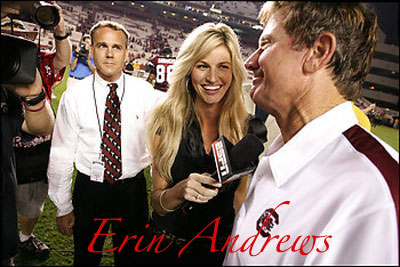
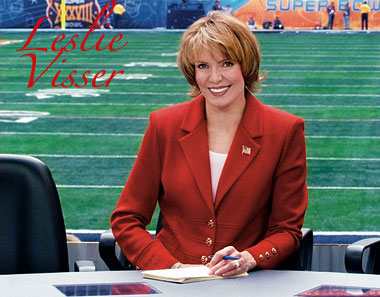
Today, there are several professional women sports commentators, from the young and largely popular Erin Andrews to Lesley Visser, the first woman to do sideline reporting on Monday Night Football on ESPN. (Farhi 2009) However, the journey for these women was neither easy nor short. Women have been involved in this occupation for almost eighty years now beginning with pioneers of their involvement including Jane Chastain, Donna De Varona, and Jeannie Morris; Chastain being incredibly courageous and persistent in the undertaking. (Lou Schwarz 1999) Chastain is said to have “broken many journalistic barriers for women while working for WAGA-TV in Atlanta, WRAL-TV in Raleigh, and KABC in Los Angeles.” (Chastain 2008) Since the advent of Chastain in the sports world, the number of women involved in the sports broadcasting has increased exponentially, but often for different objectives established by the respective broadcasting channel. (Hardin and Shain 2005) For example, both Phyllis George and Jayne Kennedy were hired specifically for their looks, not their journalistic capabilities, because they were without any. (Lou Schwarz 1999) However, in the late 1970’s, both Lesley Visser of ESPN and Gayle Gardner created a much more professional image of the female sportscaster, as they were fully knowledgeable of the sports they covered, as well as entirely professional when commentating, which generated much respect from fellow male counterparts. But today, with women such as Andrea Kremer, who has won Emmy Awards for her feature stories, and Hannah Storm, who is a well respected analyst on Sportscenter, do women only account for 13% of media sports departments? (Etling 2002)
In terms of why I find this research important, one must consider the broader social and cultural implications of women in the sports media industry. The sports industry is just one example of a male dominated field, even today it is still interesting to hear reactions from people when a female pops up on the screen when watching ESPN. What is the scope of these reactions? Are these women widely accepted, and if so, by whom? Are they receiving the treatment and respect they deserve in this largely male atmosphere, and if so, why all the scandals surrounding professional athletes and women reporters (i.e. Favre, Roethlisberger)? What kind of perspective do male counterparts have on this industry break through for women? Are there going to be further advancements for women in this industry, or have they reached the threshold of their capabilities because they don’t actually partake in sports such as football, baseball, and basketball? With women reporting, will women’s sports receive more coverage than before?