
INTRODUCTION:
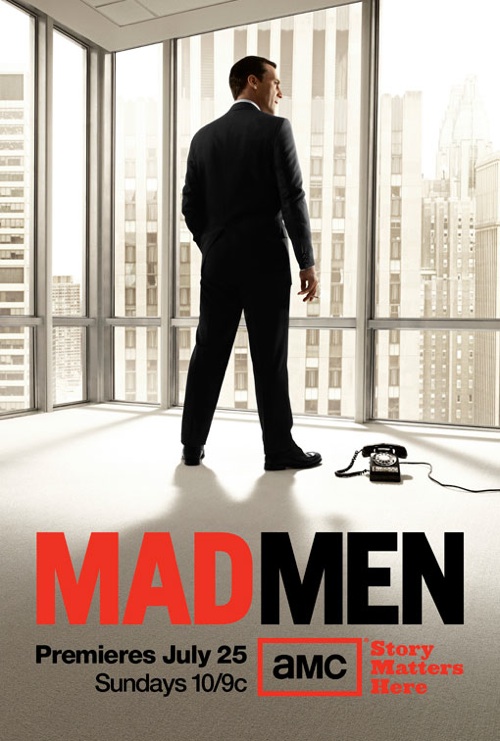
Mad men, a television series depicting the times of the 1960s, follows aggressive characters of the advertising industry located on the sophisticated Madison Avenue, New York City. Don Draper, the Creative Director and partner of the Sterling Cooper Draper Pryce Agency, is the protagonist of the plotline while he deals with troubles at the workplace, family issues, and personal situations. While the television series is mainly focused on Don Draper, one cannot help but notice the other issues circling around the protagonist in terms of the women. The 1960s was a time of transformation and realization for women who were struggling with their “ideal woman” stereotype, formed concretely in the 1950s. In the 1950s, the post-World War II era, the feminine identity from “Rosie the Riveter” reverted back to the “ideal woman, wife, and mother” persona. However in the 1960s, women were seeking employment in the hopes of “leading a more satisfied life” (Renzetti & Curran, 2004). The increase in the women workforce, the availability of the birth control, and the growth in educational opportunities for women transformed the “World of Men” into a gender-based territorial war. Mad Men depicts these issues through its characters: Peggy Olson as the “New Girl” who just moved from Brooklyn to New York City, receiving education from a secretary school to work at the advertising industry as a secretary, Joan Harris as the “Marilyn Monroe” who is the perfect secretary in the sense that she fulfills the men of the industry in terms of everything they want, Faye Miller as the “Professional” who understands the rules of men and almost successfully raises herself to equality in her own way, and Betty Draper as the “perfect wife and mother” who struggles with her unrealized unhappiness as a married woman. This breaches the topic of politics of representation in terms of females in the workplace, where it is still experienced today. While in the 1950s, the “ideal woman” was one who cooked, cleaned, and cared for the family, the modern “ideal woman” of today is a combination of the “ideal woman” of the 50s while keeping the principles of the career-invested woman. This ties into the cultural significance of women in the workplace and overall identities of women today interlinking with society’s standards, affecting the business environment and overall complex organizational culture.
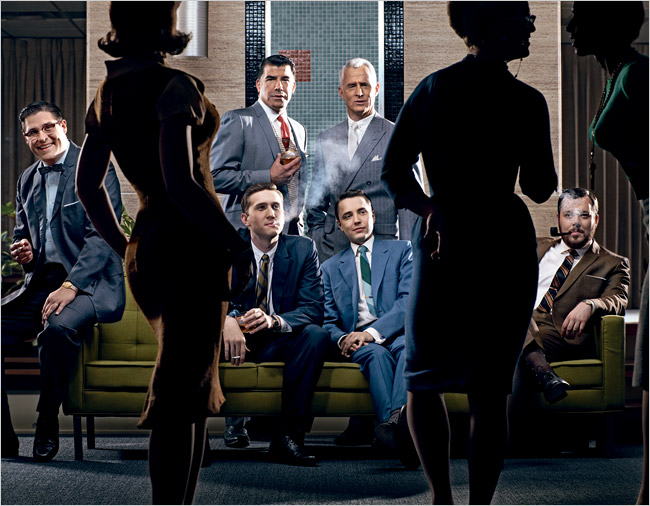
In terms of politics of representation, the issue of individual “essentialization” in terms of collective identity for women will be addressed. The collective identity of female individuals depicted during the 1960s and the entire issue of individuals’ struggle to understand their own identity space are essential themes of Mad Men. In congruence with the culture, the characters fit into a certain “marginal society” where the overall nationalistic culture is sectioned into sub cultures with their own processed images. How are these characters navigating their own identities, obtaining a personal true life while attempting to keep up with their facades in the workplace? How are we, as the viewers, intended to feel when we see their true selves coping with the overwhelming pressures of society? Specifically, how are females today intended to feel as they watch the historical truth of the past expectations of women in the 1960s? Do women today feel a connectedness with the characters onscreen? The relatedness between the viewer and the characters is essential in the analysis of the overall politics of representation of women of the 1960s and today.