Analysis
It is evident that participation of celebrities had huge positive impacts on the fame and profits generated by the “We Are The World” videos. Although it is impossible to tell exactly how big their impact was, they “created awareness of suffering in Africa, motivated people to act, and raised large sums of money” (Jamieson 154). Forty-four singers were in the 1985 rendition and ninety-seven were in the 2010 rendition. All of these artists spent a great deal of time and effort working on these videos. The artists in the videos were specifically chosen and each had their own motives for participating.
When considering the most effective way to reach out to the public in hopes of generating profits to donate to Ethiopia, the idea that was chosen in the end was to have a music video starring famous singers. Simply reporting news stories does not make significant impacts. Reports convey events and attempt to state just the facts, but singers and actors are professionals at conveying emotions and delivering cues for the audience to respond to. They can instill feelings of sympathy, 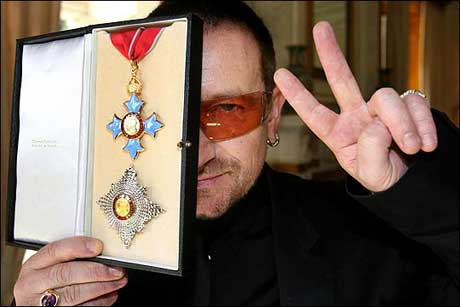 sadness or frustration. “That’s a far more potent performance” (Waal 44). Celebrities that accomplish this have received great acclaim for their work. For instance, Bono (who was not involved in the videos, but has worked for years on public health issues and performances aimed at raising money for these issues) has received honorary knighthoods, and many other awards, for his work (Yrjölä 7). Moreover, since celebrities have a large fan base, their supporters are likely to support the cause that the celebrity supports. They are mediated to a high degree, and present the exact image that they are hoping to attain, and consequently, the project receives support from fans who support the actor or singer (Paccinini 32). Despite the fact that celebrities have been criticized for being disingenuous, Yrjölä argues that celebrity humanitarians make significant impacts in young people because it instills in them important values that will stay with them for the rest of their lives, such as “understanding, solidarity, respect and communication across cultures” (1). Additionally, “young adults remember asserted status and usurped recognition by employing the resources available to them: accessible fictions, usually viewed on television” (Barnhurst 205). Actors and singers influence the youth because they are familiar to those watching them.
Celebrities are chosen because the writers, producers and audience, mediate their career to a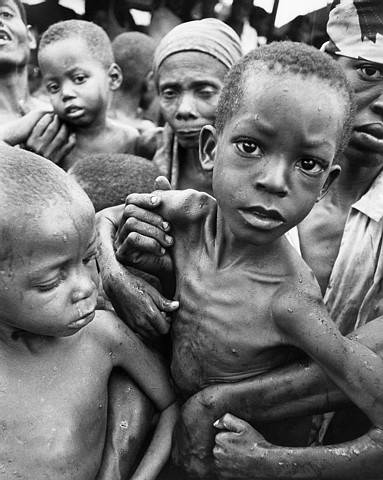 high degree the media is portrayed in such a way that celebrities appear to be solving the world’s problems. For instance, in photographs, smiling women and children usually surround Bono. He is less often pictured with men because men “appear more passive and emotionally restrained” (Yrjölä 13). Similarly, in Bono’s book On the Move, the children in the photgraphs are in black and white and children are staring blankly into the camera, or are looking past it. This portrays the children as being emotionless, and in dull environments, and in pictures with Bono, everything appears in color, people are with smiles, as though he brightened their world. Even Bono, the great celebrity humanitarian, clearly does this to enhance his image (Yrjölä 13). Celebrities starring the “We are the World” videos must have similar motives.
Garofalo states that since Michael Jackson and Lionel Richie wrote the video, Quincy Jones produced it, and Harry Belafonte provided assistance, the video was a “product of African American leadership” (Garofalo 285). This idea supports Waal’s claim that celebrity involvement acts “as a bridge between a (Western) audience and a faraway tragedy” (44). This is because the profits went to support Ethiopia during famines, and since the creators are African American, it seemed as though the artists were closely related to the victims of these disasters. Similarly, in the 2010 version, the addition of hip-hop enforces this idea because hip-hop and rap are rooted in African American history and culture. This concept is also supported by the fact that there was a lot of press surrounding Wyclef Jean and his Haitian American ancestry and participation in the video aiding Haiti.
Celebrity motives vary from why they were chosen for such a big task. Aside from the “We Are The World” videos, there were many concerts and events that were held to raise money for these natural disasters. Band Aid, Live Aid, and Comic Relief are just a few examples. Celebrities, similar to politicians, participate in these partially to appear as though they aided in delivering food. Waal states, “the public and politicians demanded visible action to salve their consciences…high profile but less effective programs flourished at the expense of lower profile but more professional ones” (52). This is often the case with public health initiatives: donors want to see their names branded on their work. This usually means paying a high price for advertisement, which would be more effectively spent supplying more food for the hungry.
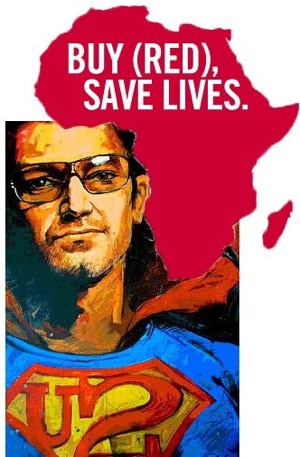 Many state that their main incentive is to create a better image for themselves. “The contemporary society, increasingly image-driven and ever hungry for entertainment, has produced what has been called the ‘celebrity culture’” (Piccinini 31). Entertainers want to have positive images and to create a bigger fan base. “The biggest peril for the movie star on the famine stage comes from the lure of playing the hero. It’s an old-fashioned role, but it still has an appeal" (Waal 44). Yrjölä claims that celebrity humanitarian involvement aids the world in ways that other people cannot, by claiming that Bono is similar to Superman turning into Clark Kent (8). Aiding in international projects is an easy way to get a lot of positive media attention, because humanitarian aid projects always shed a positive light on those involved in them. “Its one of the few areas of bipartisan consensus in Washington” (Waal 47). It only helps their image if celebrities appear selfless and desire to help those less fortunate on the other side of the world.
Aside from these selfish intentions, Waal takes a more idealist perspective and contends that the greatest motives are compassion and outrage (46). “It’s rarely clear whether publicity is the servant of the issue, or its master. The very fact that a rock star or actor moves on the humanitarian stage reflects how celebrities diversify their roles across a range of media” (Waal 50). There is a wide array of reasons for entertainers to participate in these projects.
Michael Jackson created this song with the same motives as the other celebrities who participated, yet he was the only celebrity to appear in both. His impact on raising money for humanitarian causes extended even beyond these videos. “Jackson then enabled the industry to put its best international foot forward by taking the first American giant step in developing the phenomenon that would come to be known as ‘charity rock’" (Garofalo 285). This concept created a mood in which musicians from all over the world felt the need to create their own African famine relief projects. Despite it receiving criticism for making famines seem insignificant, these videos brought America’s attention to Africans suffering from diseases due to malnutrition. While Jackson had many incentives to participate in the 1985 video, he had no choice in participating in the latter video, since he passed away shortly before it was produced.
Celebrities had great impacts in the realm of public health, and public health initiatives also aided celebrities in their fame. While it may still be difficult to determine which impacted the other more, it is clear that the two work well together, as can be seen through the popularity of the “We Are The World” videos, benefit concerts, profits generated and sent to developing countries, and in fame of artists. Although these events receive some criticism, it can be seen through ethnographic analyses that the public does enjoy “charity rock” and “celebrity culture.” It is a combination of fame of artists, lyrical power, popular genre of music, and the celebrity’s ability to instill a desire to help those less fortunate in the audience, that leads the audience to enjoy “We Are The World” and other celebrity involvements in humanitarian aid.