
Ethnography
The public received each of the three videos differently. An analysis of their responses will aid in determining which factors made the videos successful, and which factors hindered the videos from reaching even more success. YouTube comments will reveal the audience’s opinions and discern if their fame is due to popularity of the artists, music genre, lyrics or its altruistic foundation.
The popularity of the artists participating in the video played a large role in the video’s success. While it is difficult to determine how much monetary success it produced and the degree to which they increased awareness of natural disasters, it is apparent that they were influential. Awareness consists of directing media attention to these particular news events. In America, news is focused on stories that are closer in proximity to Americans; there is less emphasis on events across the globe, than there are on stories in America. This is directly correlated to the public’s inclination to actively do something pertaining to these events. The two videos that feature celebrities had many more views than the YouTube edition starring “regular” people. Many of the comments on the 1985 and 2010 versions praised Michael Jackson, such as “I love you MJ.” Therefore, some success is due to his popularity. Although the YouTube edition did not gain as much attention, it still received high ratings on YouTube and made ABC News. According to an interview with the woman who compiled the clips, the video gained success because it does not contain any celebrities. She believes that when everyday people sing together for a noble cause, it “reaches people in a different way.”
On YouTube, aside from posting comments, viewers can click one of two buttons, to express their opinions: “like” and “dislike.” The original version received over 15,000 “Likes” and over 3,000 “Dislikes,” (16% of those who voted disliked) while the Haiti version received over 224,000 “Likes” and  over 14,000 “Dislikes” (6% of those who voted disliked) on YouTube. This creates a discrepancy because many forums online complain that the new version ruins a great song, yet on YouTube, more viewers prefer the new version. Avid YouTube users mostly consists of a younger generation which is more likely to appreciate today’s popular music genre and artists, and the older generation that appreciated the 1985 artists are more likely to post in forums.
An in-depth analysis is required to determine how much of this is due to the shift from rock influences to hip-hop influences. Comments posted on forum and on YouTube reveal that the audience does not appreciate autotune and the rap because it takes away from the “pure talent” and “ruins the beauty of the original song.” Other comments imply that original artists are classic and cannot be replaced. The way the song was sung added to its popularity. Even comments on www.Songmeanings.com compliment the quality of their voices, more than the quality of their lyrics. For instance, as seen in the “Content” section, Sigmalives posted: “This song had some amazing talent behind it, but the current remake is just depressing.” Www.songmeanings.com, a website dedicated to song lyrics, would have had more comments about the lyrics if the lyrics were the main reason behind its success.
Lyrics also aided in the song’s success. Diction was used carefully when writing the song. “We are the world” implied that everyone is part of a larger community together. “We’ll make a better day/just you and me” was specifically chosen to personalize the need to help those starving. The “me” refers to the celebrity that is already doing his/her part, but is willing to do more, given that the captive audience (“you”) is willing to do its part as well. The words were so powerful that it made the “Top 100 Most Beautiful Song Lyrics” list. This list on www.intenseexperiences.com is a credible source because it is the first list that comes up when searched online, meaning it gets many hits, and is viewed by users around the world. The Yahoo Answers forum also has a page dedicated to songs with the best song lyrics, and “We Are The World” is on this list as well.
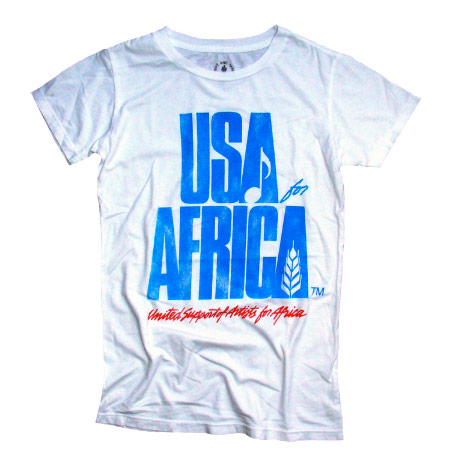 The song may not have been written if these crises did not take place. T-shirts and posters were created to continue promoting awareness and aiding to the success of the song. “Success” here can be defined as monetary donations that were made, more humanitarian interventions that were enacted due to this spread of information and awareness, and fame that the singers attained due to this video. As seen in the Content section, the shirts that were designed only said “USA for Africa United States Activists for Africa,” demonstrating that its advertisements and merchandise focus on its success being attributed to its philanthropic ideals. It does not state any of the singers, nor does it reflect the lyrics of the song.
Based on these three videos, it is apparent which elements have stood the test of time, and which have been replaced by more contemporary sounds that accentuate the generational gap between the songs. The 1985 song has rock and pop influences, and the 2010 version has hip-hop and pop influences. Despite each artists’ individual style of music, the two renditions are stylistically sung very similarly. The YouTube edition copies the 1985 version, whereas the 2010 version is more improvised. Blair Perkin’s (of the YouTube version) posture and approach to his solo impersonates Michael Jackson, and Melissa Polinar impersonates Stevie Wonder. Michael Jackson’s influence is clearly defined in all the videos. Perhaps it is due to the fact that the 2010 version was released following his death, but he is the only artist from the original video to appear in the latter video. Since Jackson spent a lot of time and effort on the first video, which brought in millions of dollars in donations, the music industry decided to take advantage of his popularity, since everyone was mourning his death by listening to his music. They thought it would be an easy way to raise money. The rationale for creating each of the videos was the same; each video was preceded by a natural disaster that affected millions of lives in poverty-stricken third world nations and served as a cry for humanitarian aid by the American population.
The 1985 and the 2010 videos were both filmed in the same studio to relay the same tone to its audience. The tone of the 2010 video shifted only slightly with the addition of snapshots and short video clips in the Haiti version. Similarly, most of the singers in the YouTube version used a studio-like set-up; artists wore headphones while singing into a professional microphone. The lyrics of the song were so widely accepted the first time, that the YouTube edition copied the lyrics verbatim and only two lines in the fourth verse were changed. Rather than singing, “And as God has shown us/By turning stones to bread/So we all must lend a helping hand,” the new version goes “So their cries for help/Will not be in vain/We can’t let them suffer/No we cannot turn away” which is more directly relevant to the situation in Haiti. It is important to note that the newer version removes God from the lyrics. This is important to note because there are many religion-based organizations that donate to events such as famines across the world. People who belong to that particular faith are likely to make contributions, but people who support other faiths, or no faiths at all are not likely to donate to these religion-based organizations. By taking religion out of the song, it is not limiting the population of those who are willing to donate. The 2010 version adds a new rap verse to the end of the song about Haiti’s need for assistance, because  there are times when everyone needs help, and this is our time to help them. It also incorporates the singing of “Nou se mond la nou se timoun yo” into the song, which means “we are the world we are the children” in Haitian and a Haiti chant at the end. Wyclef Jean, a Haitian American, sang this to emphasize that our ability to help can impact Americans for the better. It implies that Jean speaks Haitian, and therefore, may have family in Haiti that may be suffering. By donating, the audience can be aiding a celebrity that the public cares about.
While it is difficult to say exactly why the public gained interest in the videos, it is also difficult 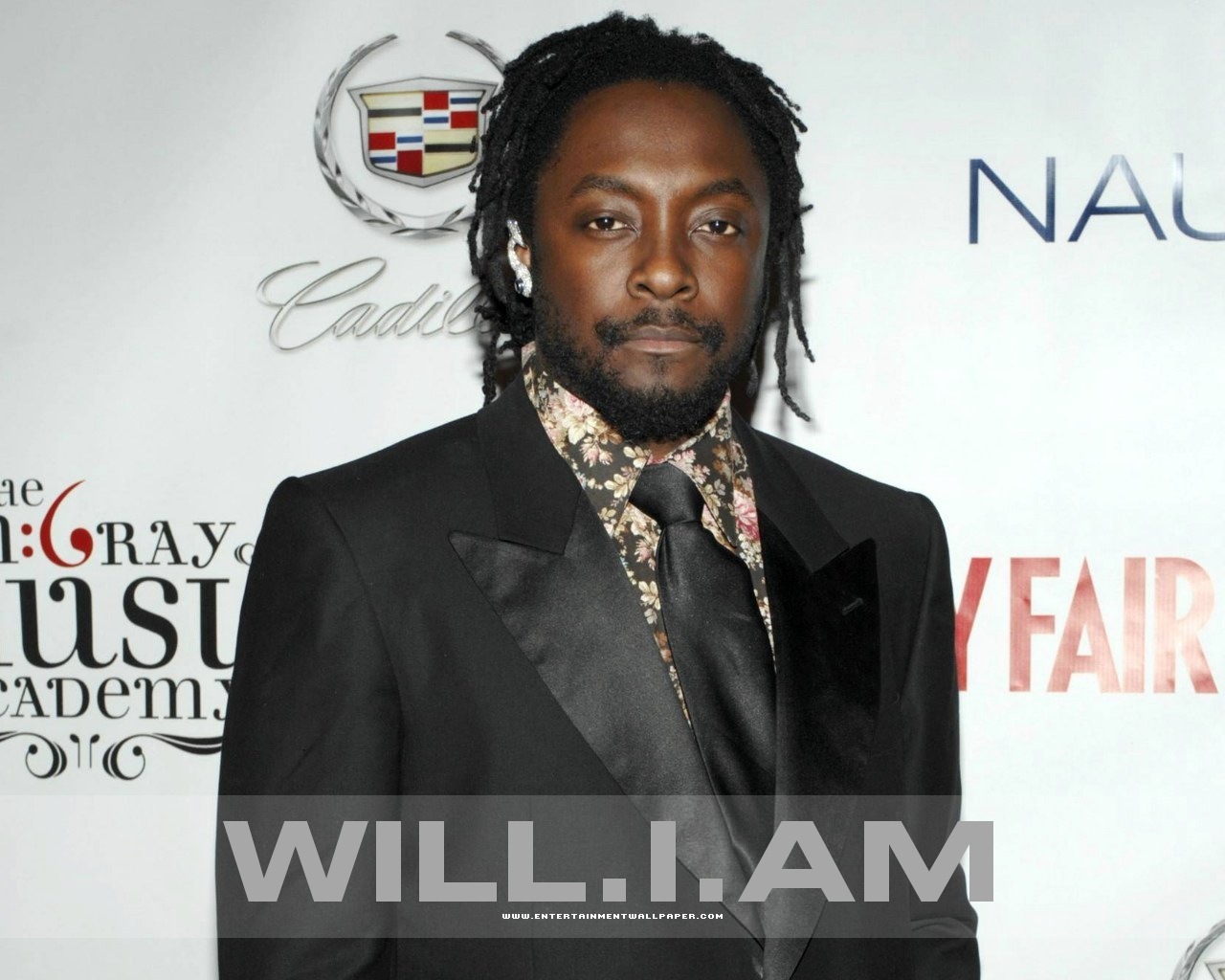 to say exactly why celebrities involved themselves. In interviews, Will.I.Am states “it was beautiful to see the music industry coming together to do what they can to bring awareness” and to “help rebuild Haiti.” Similarly, Sean Garrett states “we want to do everything we possibly can do to help.” A singer in the YouTube edition stated that they want to “give back to the community…us singers, we give back by singing.” However, celebrities need to worry about their public image, so it is impossible to know how truthful their words are. Comments on YouTube and blogs are more anonymous, so it is easier to determine why the public takes interest in the videos rather than why celebrities take interest.