
Introduction
Michael Jackson and Lionel Richie created the original “We Are the World” video in response 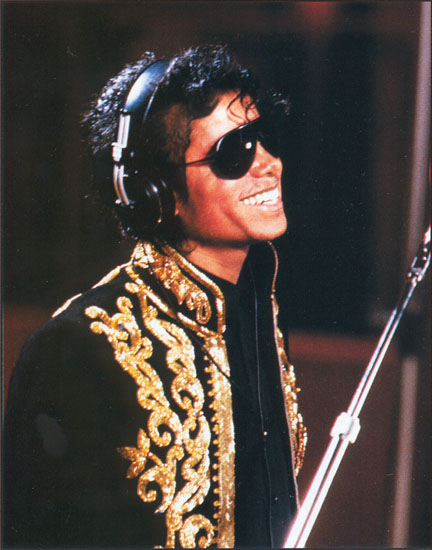 to the 1985 Ethiopian famine. Their goal was to donate the profits and spread awareness to the public. It has been reported that the famine killed over one million Ethiopians and left millions destitute. The video was wildly successful; it generated $63 million, topped music charts, became the fastest selling American pop single in history and was the first ever single to be multi-platinum. It won three Grammy awards, one American Music Award and a People's Choice Award. In 2010 (25 years after the first version), two new renditions of the song were created in hopes of raising funds and support for the victims of the Haiti earthquake.
 The second version has been viewed over 62 million times on YouTube. This video incorporated snapshots and video clips of the aftermath of the Haiti earthquake along with the over ninety contemporary artists that came together to make this video, including Wyclef Jean and Kanye West. It charted in the top 20 in several countries. The third version was compiled solely over the internet; no one met in person. Fifty-seven singers sang together in a new cover, which was viewed on YouTube nearly four million times.
The “We Are the World” video of 1985 has clearly had a great impact on society. Throughout this paper, I will examine its success and impact. Analyzing the comments posted on YouTube and on forums of the original video and the newer cover versions of the song will determine which factors led to its success and which factors prevented it from reaching even more success. This paper will illustrate the degree to which the video’s popularity is based on the fame of the singers, the lyrics of the song or its altruistic nature. Comparing the different renditions and observing what was duplicated in later versions will allow the viewer to determine which factors stood the test of time and which were popular only during a particular generation.
Since comments on YouTube and forums depict the view of the audience and monetary donations reflect the public’s desire to take part in these relief efforts, there must be an analysis of the artists who participated in creating the video. This will include research from articles expressing motives that drive entertainers to take part in humanitarian relief efforts, and why entertainers are chosen of all professions to call for help. It will also take a step back and analyze why people trust the charities and efforts that celebrities support.

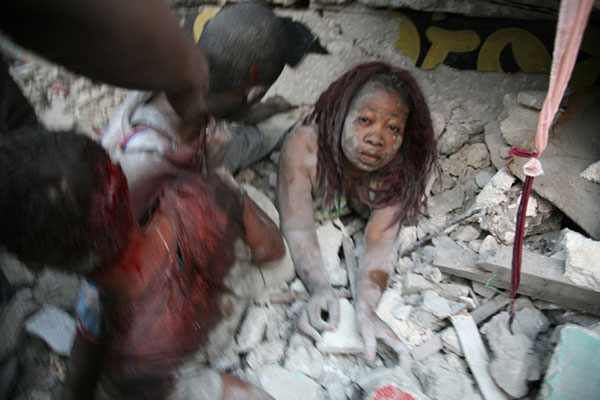
Victims of the Ethiopian Famine and Haiti Earthquake